


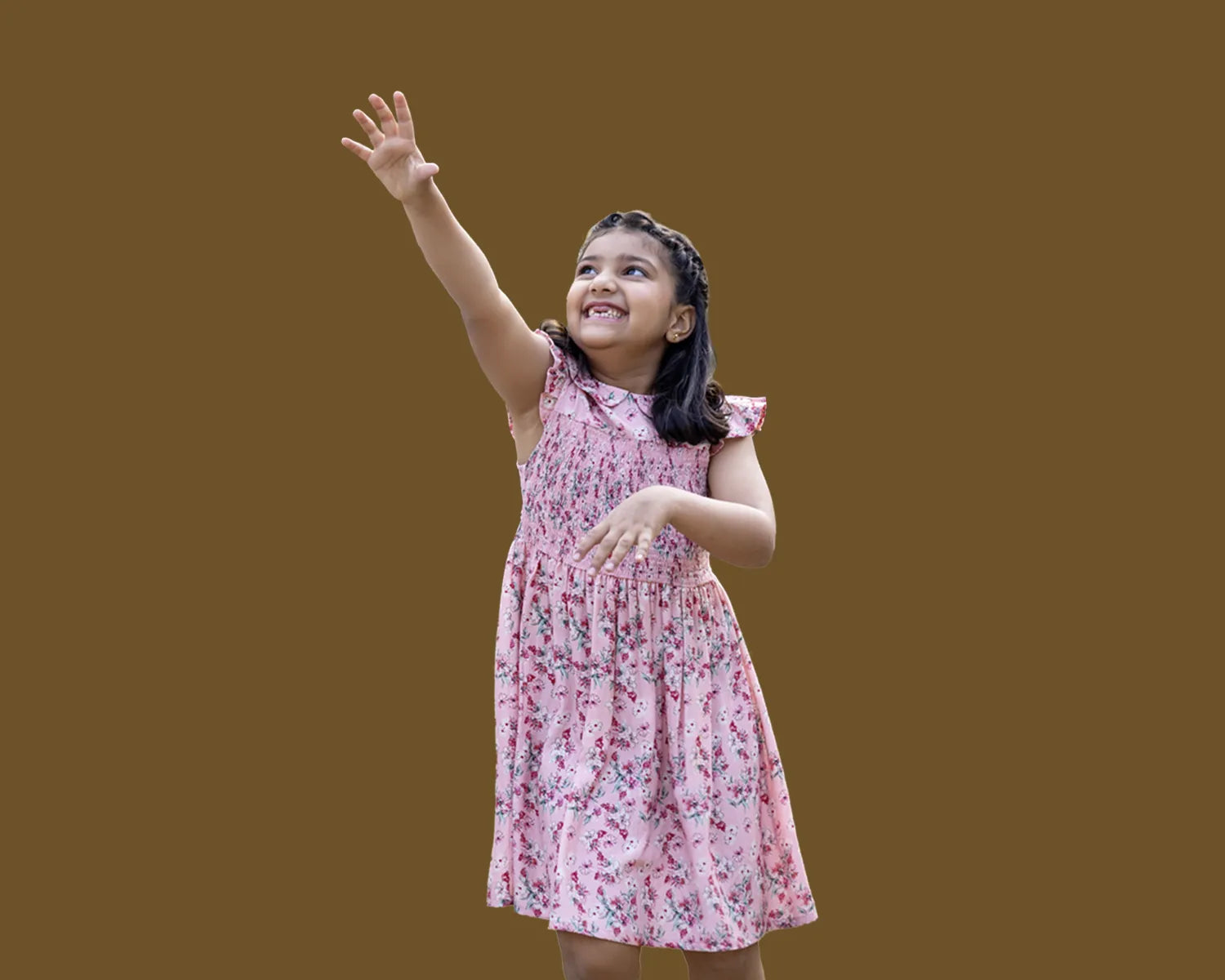
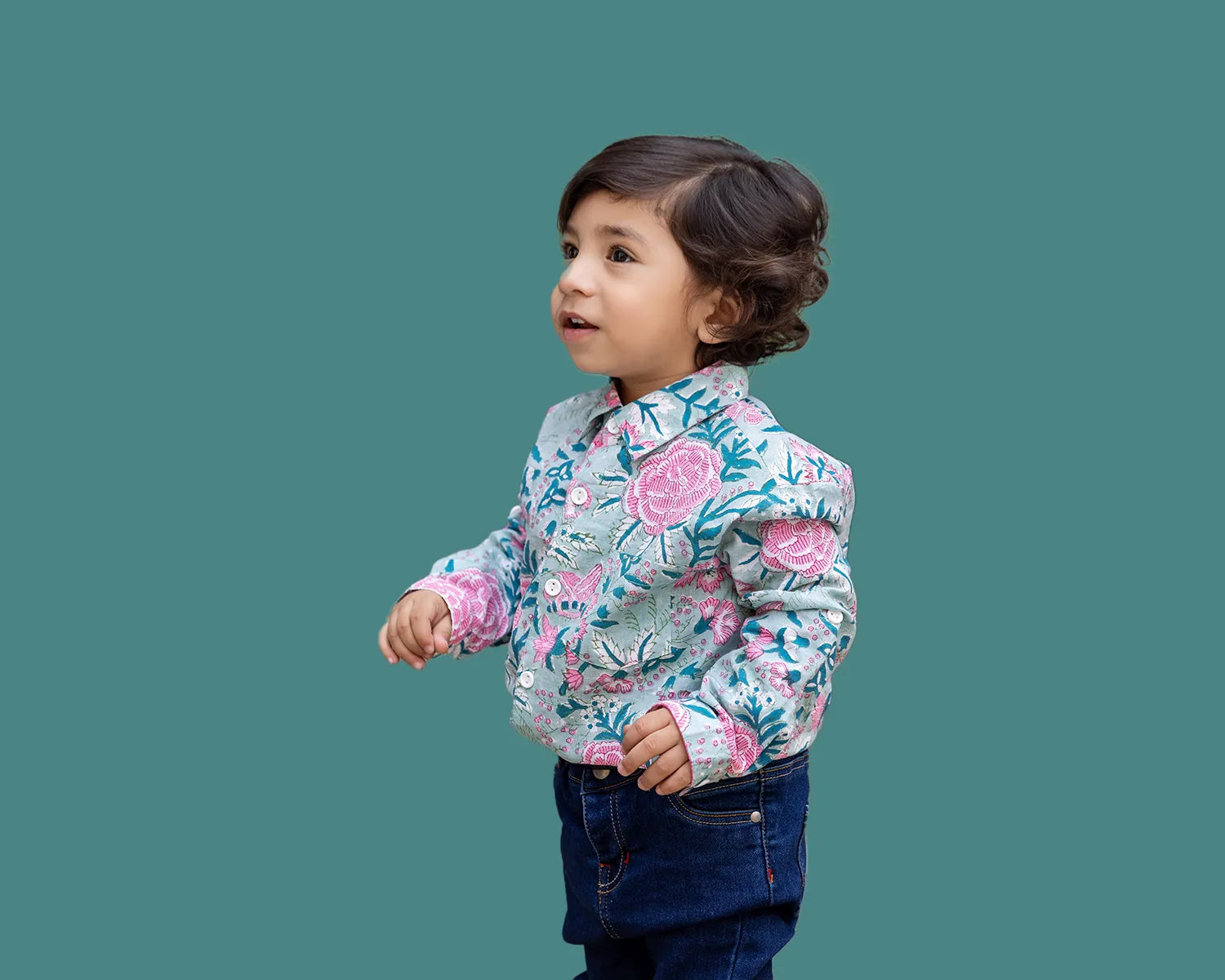
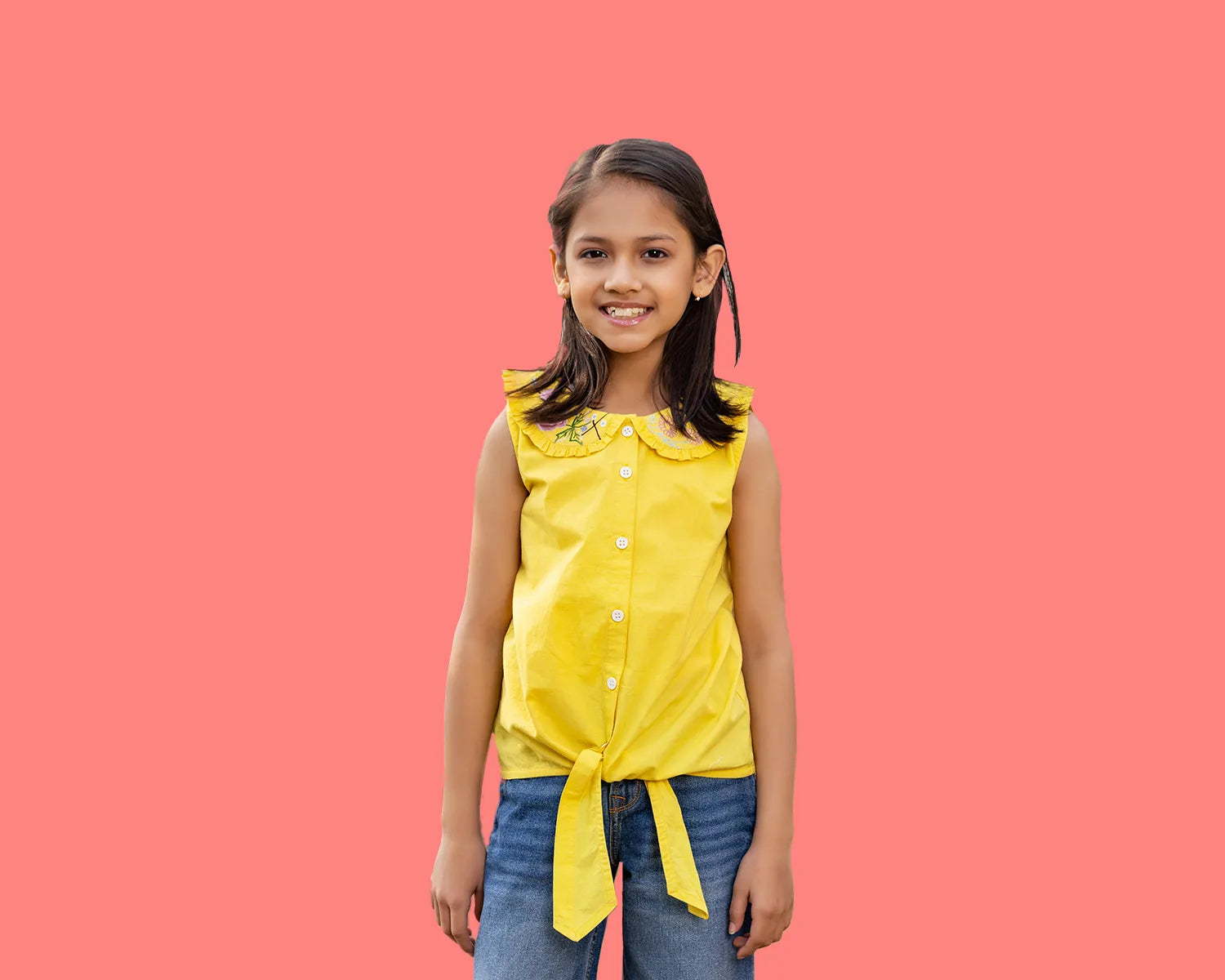
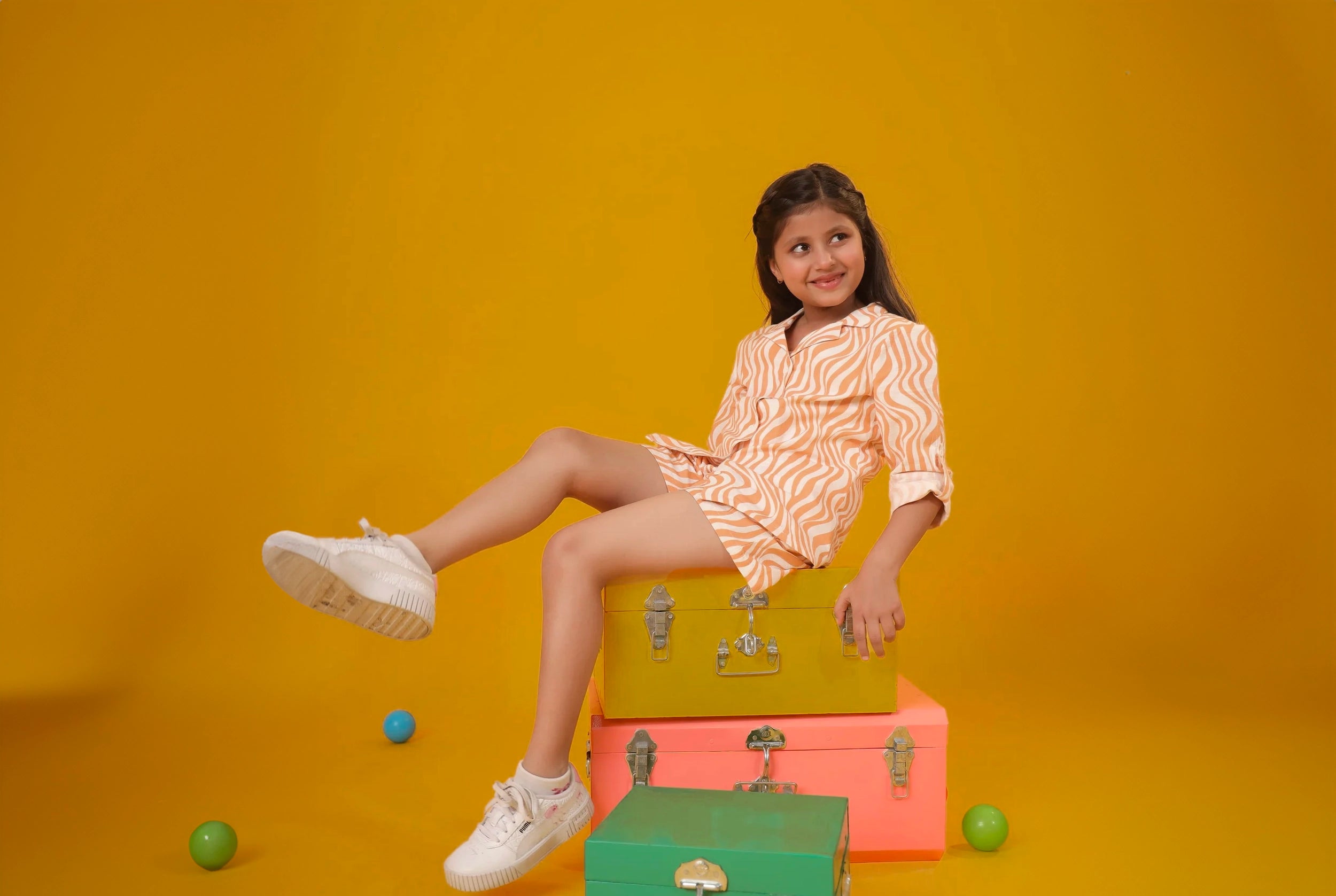





“Wait, don't move! Let me put your tilak first!” your daughter tells her brother, who is already reaching for the sweets. You laugh as you watch them, remembering how you and your siblings used to do the same things during Bhai Dooj.
That's the beauty of festivals like Diwali and Bhai Dooj. They bring back the little moments we loved as children. The excitement of wearing new clothes, getting ready for puja, visiting grandparents, enjoying festive treats, and playing with cousins all day long. And now, as a parent, you get to create those same happy memories with your own children.
Of course, choosing their festive outfits is part of the fun! You want your little ones to look adorable in family pictures, but you also want them to feel comfortable while they celebrate, eat sweets, and run around with their siblings.
So, if you are planning your kids' Diwali and Bhai Dooj outfits, we have put together some lovely, comfortable outfit ideas, including matching looks for brothers and sisters, to make their celebrations even more special.
What should kids wear for Diwali and Bhai Dooj
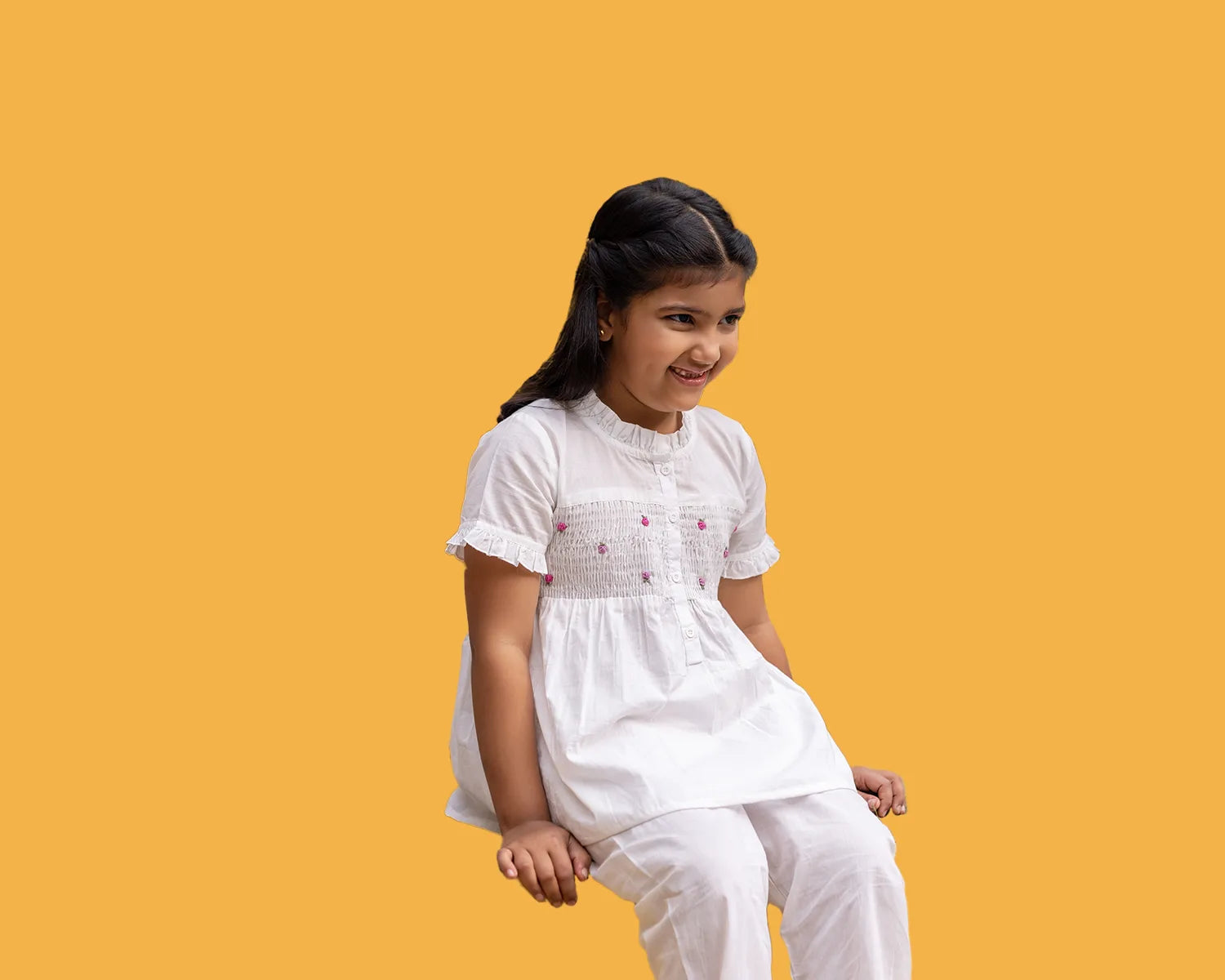
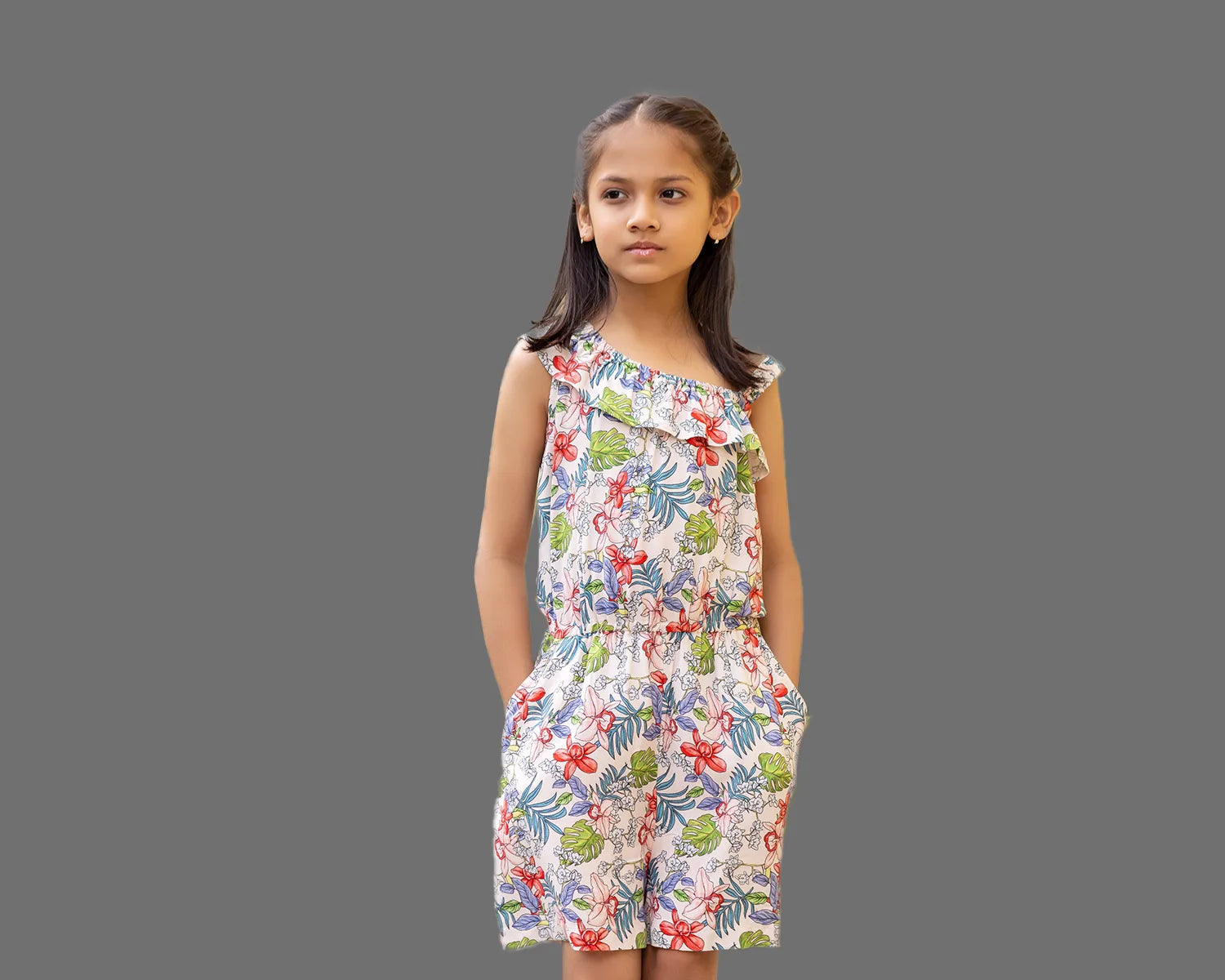
Children can wear an embroidered cotton dress, a shirt with comfortable trousers, a co-ord set or traditional clothing that follows their family's customs. For siblings, choose one shared colour or embroidery detail. Check that both children can sit, bend and move comfortably, and add a removable layer when needed.
When are Diwali and Bhai Dooj in 2026
|
Festival |
Date in 2026 |
What to plan ahead |
|
Diwali |
Sunday, 8 November |
Clothes for your family's puja, visits and evening plans |
|
Bhai Dooj |
Wednesday, 11 November |
An outfit for the tilak ceremony, lunch and time with siblings |
These dates are listed by the Ministry of Tourism's Incredible India pages for Diwali and Bhai Dooj. The 2026 government holiday list published by PIB also lists both dates.
Follow your family's regional calendar for rituals and puja timings. School celebrations and family gatherings may take place on other days.
How to explain Diwali and Bhai Dooj to children
"Why do we light diyas?" your child asks as you get the house ready.
Start with a story they can follow. In many Hindu families, Diwali is connected with Lord Rama's return to Ayodhya. You could explain, "Lord Rama came home after many years away, and people lit lamps to welcome him. At Diwali, we remember that happiness and celebrate goodness."
Ask how they feel when a grandparent or a favourite cousin comes to visit. This gives them a familiar way to understand the joy of welcoming someone home.
When Bhai Dooj arrives, talk about the brother or sister they play with every day. You could say, "You may sometimes argue over toys, but you also laugh together and look after each other. Bhai Dooj is a day to show how much you care."
Then explain the ceremony. In many families, sisters apply a tilak and pray for their brothers to be happy and well, while brothers give gifts. Families also share sweets and spend time together, as described in Incredible India's Bhai Dooj guide.
Let your children choose a sweet for each other or share something they like about their sibling. Follow your family's own customs, and leave time for their questions.
Start with one shared detail for sibling outfits
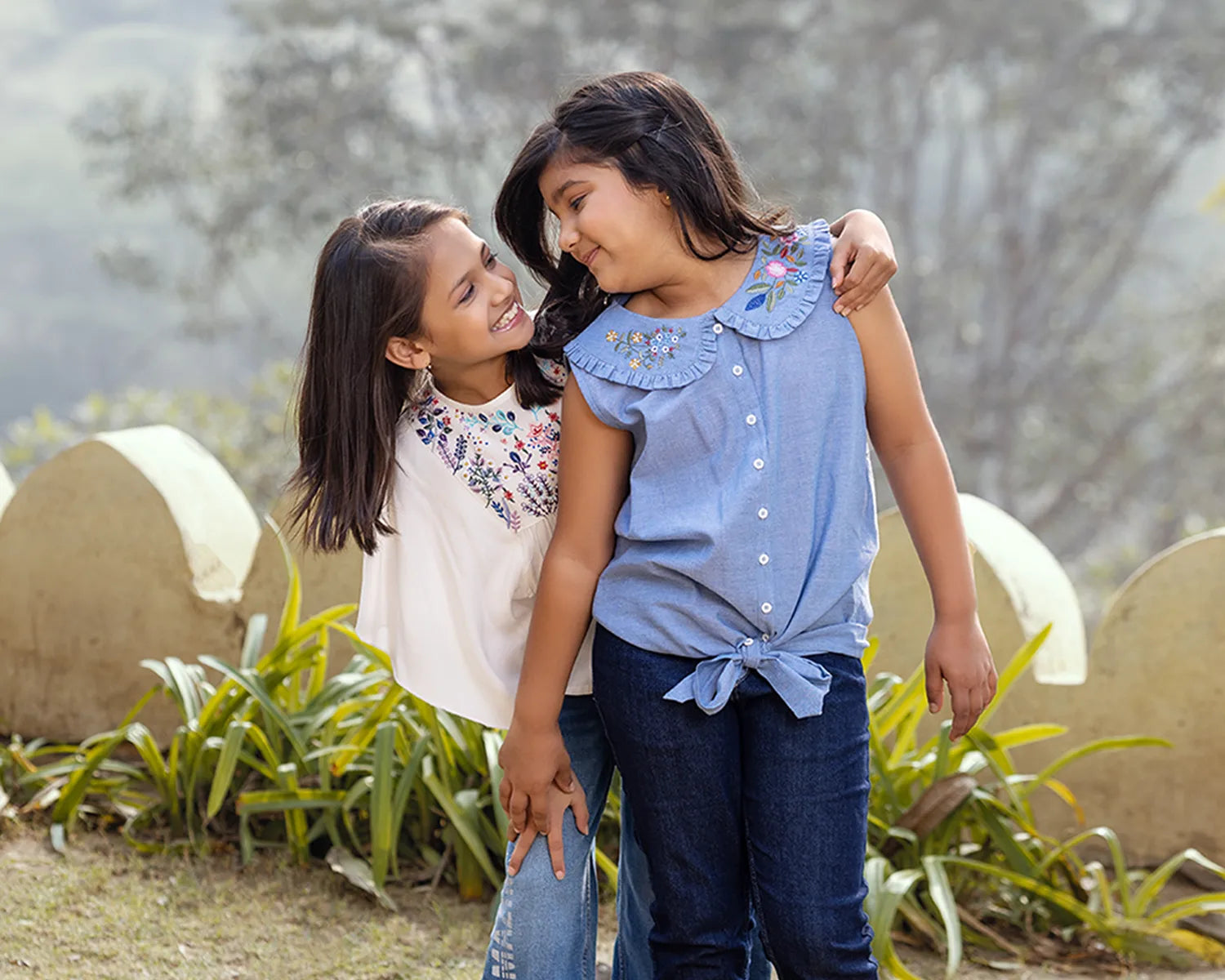
Brother and sister matching outfits are easier to choose when you begin with something both children like. This might be blue embroidery, a flower motif or a white base colour.
Let each child choose a shape they enjoy wearing. A sister may prefer a dress while her brother wants a shirt and trousers. Two sisters might choose different dresses in the same colour, while two brothers can coordinate their shirts.
Our twinning dresses and sibling outfits collection is a useful place to compare colours and details across styles. The combinations below are styling suggestions using individual products. Check and select each child's size separately.
White and blue embroidery for a family lunch
Pair the White Blue Embroidered Shirt Dress for Girls with the White Blue Embroidered Floral Cotton Shirt for Boys.
Both product pages describe cotton garments with embroidery. The shared white and blue colours give the outfits a connection, while each child has a different garment to wear.
For Bhai Dooj lunch, try the shirt with plain navy or beige trousers already in your son's wardrobe. Let your daughter choose a familiar pair of shoes that works with her dress. Check the complete outfits together before the day.
Rose embroidery for children who enjoy floral details
The Rosette Embroidered Tiered White Dress and White Cross-Stitch Rose Camp Collar Shirt share a rose theme.
The dress has a tiered shape, while the shirt has a camp collar and half sleeves. Both are described as pure cotton on their product pages.
These are useful options for a home celebration where the children will spend time sitting with relatives and playing afterwards. Keep the rest of the outfit simple so the embroidered details remain visible.
Botanical borders for a coordinated festive look
Try the Wildflower White Embroidered Border Dress alongside the White Botanical Border Mandarin Shirt for Boys.
The dress is sleeveless, and the shirt has full sleeves and a mandarin collar. Their white bases and botanical embroidery offer another way to coordinate siblings for Diwali or Bhai Dooj.
Plan a layer for the sleeveless dress if your gathering continues into a cool evening. Choose the layer for the weather and check that it fits comfortably over the dress.
When your children prefer different colours
Choose a smaller connection, such as a colour in the embroidery, and let each child keep their preferred outfit. A favourite pair of trousers or a dress already in the wardrobe can be the starting point.
For more combinations using pieces you may already own, our Raksha Bandhan outfit guide for kids includes sibling colour ideas that can also work for Bhai Dooj.
Plan two celebrations around clothes you will use again
Before buying another complete outfit, lay out what each child already has. Check whether it still fits and whether the care label allows enough time for washing and drying between celebrations.
|
Piece |
One way to wear it for Diwali |
Another use for Bhai Dooj or a later outing |
|
Embroidered shirt |
With plain trousers for puja or dinner |
With another comfortable pair of bottoms for lunch |
|
Cotton dress |
With familiar shoes for a family gathering |
Wear again if clean, with a different cardigan when needed |
|
Co-ord set |
Wear the pieces together for a visit |
Pair the top or bottom with an existing plain piece |
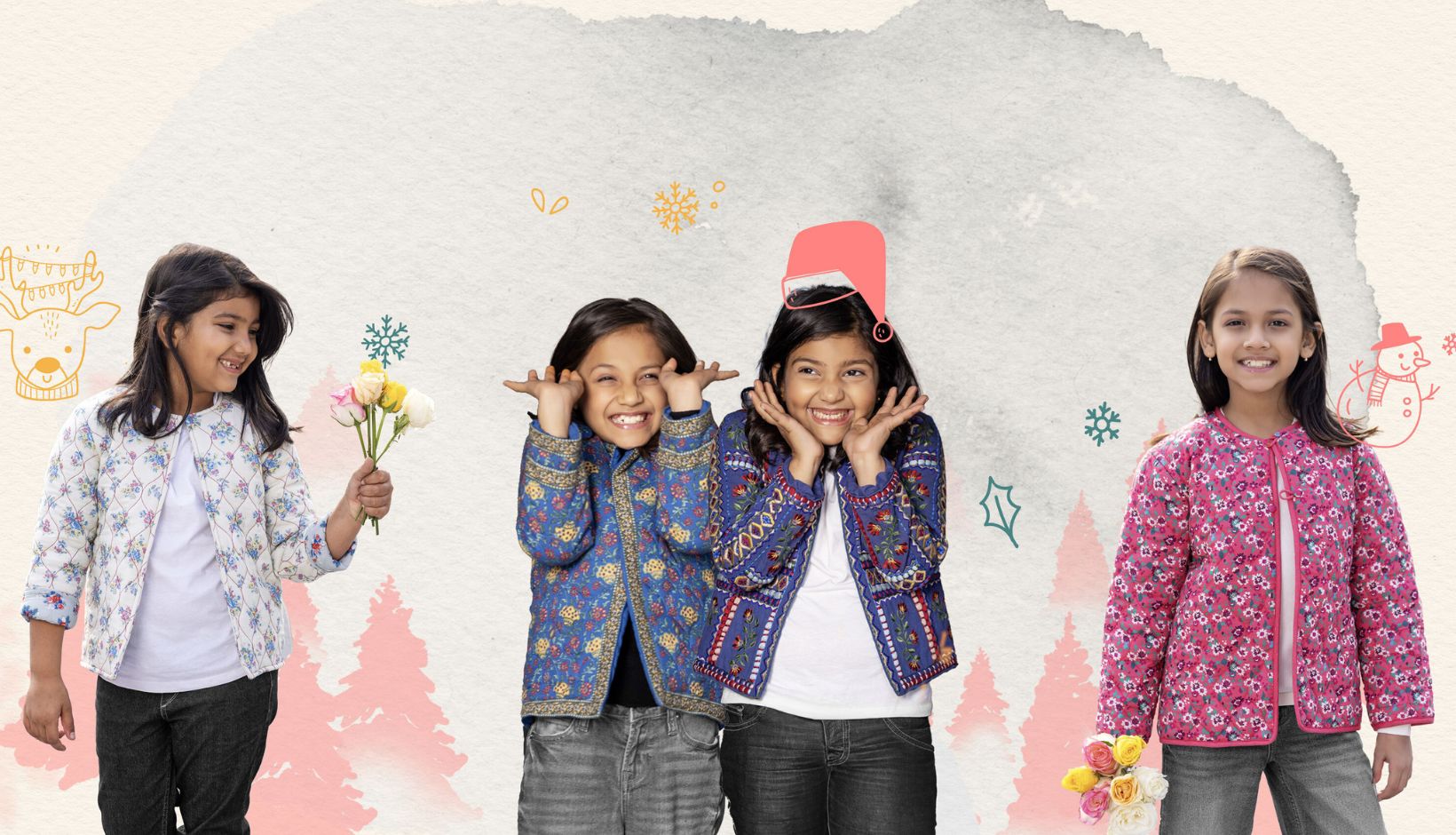
Browse our co-ord sets if your child prefers separates. For a cool evening, a piece such as the Jaipur Garden Quilted Jacket can be considered as an extra layer. Try it over the full outfit and let your child raise both arms.
For broader Diwali outfit ideas for girls and boys, including different types of gatherings, see our Diwali dress for kids guide.
Check fabric and fit before the festival
Cotton is worth considering for festive clothes, but look at how the whole garment is made. CottonWorks' textile quality guidance explains that airflow through fabric depends on its construction, fibres and treatments. A cotton label alone cannot tell you how a lined or heavily decorated outfit will feel.
When the clothes arrive, ask each child to try them on with the shoes and layers they will wear.
-
Sit on the floor. Check whether the waistband presses, the dress pulls or the shirt feels tight across the back.
-
Reach forwards and upwards. Sleeves and armholes should allow comfortable movement.
-
Walk and bend. Look for hems that drag or clothes the child keeps adjusting.
-
Feel the inside. Check seams, labels, lining and the back of embroidery.
-
Practise the fastenings. Think about dressing and toilet breaks, especially for younger children.
Use the measurements on the individual product page when available. Age labels are a starting point, and siblings may need different sizes even when they are close in age. Ask for garment measurements if the information you need is missing.
Give children a small part in Bhai Dooj
Explain your family's ceremony, then leave room for something the children choose themselves. These simple additions can sit alongside your usual traditions.
Let them make a card for each other
A younger child can draw a favourite game or a picture of the two of them. An older child can write about something they enjoy doing together. Keep the child's own words, even if the message is about sharing a toy or making a funny face.
Ask a grandparent about their childhood celebrations
Try one question over lunch, such as "Who did you visit on Bhai Dooj when you were little?" Children can listen, ask another question or draw something from the story afterwards.
Pair a useful gift with time together
If you are looking for Bhai Dooj gifts for kids, clothing can be useful when you know the child's measurements and preferences. Let them help choose a colour. You could give it with a handwritten card or a plan to read, draw or play together after lunch.
For activities during the days around Diwali, our 15 Diwali activities for kids include crafts and family ideas you can choose together.
Keep clothes and photographs away from flames
During puja and aarti, keep children, sleeves, hems and decorations clear of lit lamps. Let an adult handle the flame and choose a separate place for photographs. Cotton clothing can burn too.
The U.S. Fire Administration's candle safety guidance advises keeping flames away from things that can burn and considering flameless candles. For a children's photo corner, adult-managed flameless lights are a practical option. Keep batteries out of young children's reach.
FAQs
What is a suitable Bhai Dooj dress for a girl?
An embroidered cotton dress, a co-ord set or traditional clothing can work, depending on your family's plans. Check the lining, length and fastenings. Your daughter should be able to sit for the ceremony and move comfortably afterwards.
What can a boy wear for Bhai Dooj?
A cotton shirt with comfortable trousers is one option. A kurta set may suit families who prefer traditional clothing. Choose a neckline, waistband and sleeve length that feel comfortable during the tilak ceremony and lunch.
Can children wear their Diwali clothes again for Bhai Dooj?
Yes, provided the clothes are clean, comfortable and suitable for the occasion. Follow the care label and allow time for drying. A shirt can be paired with different trousers, while a dress can be worn again with a layer suited to the weather.
How do I choose matching outfits for siblings of different ages?
Choose one shared colour, print or embroidery theme, then select each child's garment and size separately. Older children can help choose their outfit. For younger children, pay particular attention to fastenings and ease of movement.
What should I check before buying festive clothes online?
Check garment measurements, fabric details, available sizes, care instructions and the current exchange policy. Confirm the delivery estimate for your postcode before ordering. Leave time for a try-on, especially when buying outfits for more than one child.
Let them choose something they are happy to wear
Before you put the outfits away for the festival, let each child have a final say. They may want a different pair of shoes or prefer the blue shirt after all. Sorting out those small decisions now leaves you with one less job when the family arrives.
Explore The Little Trunk's sibling outfits, choose the pieces that suit your children and check the fit before Diwali. Then keep the clothes ready for the visits, meals and Bhai Dooj celebrations you have planned together.

