







You may remember helping your own parents before Diwali, trying on new clothes and waiting for your cousins to arrive. Now you want your child to enjoy those moments too. As you decorate together, you can explain why your family lights diyas, shares sweets and gathers for the festival. Let their questions lead the conversation. “Can I help too?” your child asks as you sit down to make the rangoli. You give them a few flower petals and make room beside you. They carefully add a small circle, then call everyone over. “Look what I made!”
These 15 Diwali activities for kids offer simple ways to bring children into the celebrations. Make a paper diya, play a game or help them create a card for their grandparents. You will also find ideas for school celebrations. Pick a few your child enjoys, sit beside them and see what they make.
What are some easy Diwali activities for kids
Children can make paper diyas, create a rangoli with large paper shapes, decorate greeting cards, play picture bingo or listen to a family Diwali story. Preschoolers can begin with colouring and collage. Older children can make lanterns, write messages and help plan a short celebration.
How to explain Diwali to a child
Diwali, also called Deepavali, is known as the Festival of Lights. In many Hindu families, it is linked with Lord Rama's return home after his exile and the victory of good over evil. The Government of India's Incredible India guide to Diwali describes this story and the festival's celebrations.
You could tell a younger child, "At Diwali, we light lamps and celebrate good overcoming evil." Then explain the customs they will see at home. Leave room for other families to celebrate differently.
When is Diwali in 2026
Incredible India lists Diwali on Sunday, 8 November 2026. Check your family's calendar for regional observances and puja dates. School events may take place earlier, so confirm those dates before planning crafts or ordering an outfit.
Choose an activity that your child can help shape
UNICEF's guidance on free play explains the value of letting children choose their materials and ideas, with adults offering support. During a festival craft, this can be as simple as letting your child choose the colours or change the pattern.
The ages and timings below are planning suggestions. Adjust them to your child's interests and abilities. Use age-appropriate materials, supervise craft work and let adults handle sharp tools and hanging decorations.
|
Suggested age |
Start with |
Adult preparation |
|
3 to 5 years |
Paper diyas, cards and picture games |
Prepare large shapes and give one instruction at a time |
|
6 to 8 years |
Lanterns, rangoli patterns and short stories |
Help with cutting, reading and taking turns |
|
9 to 12 years |
Family interviews, gift bags and a celebration plan |
Help gather materials and check cultural details |
15 Diwali activities for home and school
1 Make a paper diya collage
Suggested age: 3 years and above. Time: 15 minutes.
You will need: Coloured paper, a sheet of card, crayons and a glue stick.
-
An adult cuts a large bowl shape and a paper flame.
-
Let your child decorate the bowl with lines, dots or flowers.
-
Glue both pieces onto the card and add the child's name and year.
Place it where visitors can see it. A paper diya gives a young child a decoration they can handle without a flame.
2 Create a rangoli on cardboard
Suggested age: 4 years and above. Time: 20 minutes.
You will need: Clean packaging card, large paper circles and petals, and a glue stick.
-
Draw a circle in the centre of the card.
-
Arrange paper petals around it, using two colours in turn.
-
Let your child adjust the pattern before sticking it down.
For siblings, give each child one section. This rangoli activity for kids can be moved to a shelf after the celebration.
3 Fold a paper lantern
Suggested age: 6 years and above. Time: 20 minutes.
You will need: Coloured paper, tape and scissors for adult use.
-
Fold a sheet in half lengthways. An adult cuts slits from the folded edge, stopping before the opposite edge.
-
Unfold the sheet, roll it into a cylinder and tape the short edges together.
-
Add a paper handle and ask an adult to hang it.
Keep this Diwali paper craft unlit and away from lamps or electrical lights.
4 Paint a clay diya for display
Suggested age: 6 years and above. Time: 20 minutes, plus drying time.
You will need: A plain, unlit clay diya, age-appropriate paint, a brush and newspaper.
-
An adult checks the diya for cracks and sharp edges.
-
Paint the outside with a simple border or flower pattern.
-
Let it dry according to the paint instructions.
Use the finished diya as an unlit decoration. For younger children, offer the paper version instead of a breakable clay lamp.
5 Make a Diwali card for someone your child knows
Suggested age: 3 years and above. Time: 15 minutes.
You will need: Folded card, crayons and large paper shapes.
-
Ask your child to choose a recipient, such as a grandparent, teacher or neighbour.
-
Draw a lamp or rangoli on the front.
-
Write a short greeting inside. Younger children can dictate it to you.
Encourage one personal sentence, such as "I am looking forward to visiting you." It gives the greeting a reason beyond finishing a craft.
6 Tell a Diwali story in four pictures
Suggested age: 5 years and above. Time: 20 minutes.
You will need: A sheet divided into four boxes and colouring pencils.
-
Tell a Diwali story followed in your family.
-
Ask your child to draw its beginning, two middle scenes and ending.
-
Let them explain the pictures in their own words.
If you are telling the story of Rama's homecoming, our Dussehra activities for kids offer ideas for exploring the earlier part of the story.
7 Ask a grandparent about their childhood Diwali
Suggested age: 6 years and above. Time: 15 minutes.
You will need: Paper and a pencil, or an adult's help with a phone call.
Let your child ask three questions:
-
What did you help with before Diwali?
-
What did you wear?
-
Which part of the day did you wait for?
Write down one answer or draw a scene from it. A family friend or another older relative can join this activity too.
8 Play Diwali picture bingo
Suggested age: 4 years and above. Time: 15 minutes.
You will need: Paper bingo grids with six pictures and crayons.
-
Draw pictures such as a diya, lantern, rangoli, flower, sweet box and greeting card. Vary their positions across the grids.
-
Call out one picture at a time.
-
Children mark it with a crayon. Continue until everyone has completed their grid.
For a school group, show each picture as you name it so children can join without reading.
9 Set up a pretend mithai shop
Suggested age: 4 years and above. Time: 20 minutes.
You will need: Large paper sweet shapes, empty boxes and paper price labels.
-
Draw and cut out generous-sized circles, squares and diamonds.
-
Give the pretend sweets simple prices, such as one or two rupees.
-
Take turns being the customer and shopkeeper.
Younger children can count pieces. Older children can add prices and work out change on paper. Keep the game pieces separate from real food.
10 Decorate a reusable gift bag
Suggested age: 5 years and above. Time: 20 minutes.
You will need: A clean paper bag you already have, crayons and a paper name tag.
-
Cover an old label with your child's drawing.
-
Add a message or the recipient's name.
-
Place a card or another suitable gift inside with adult help.
Store spare bags flat for another occasion. This is a practical place to begin if you are looking for eco-friendly Diwali activities that use materials already at home.
11 Make a family welcome sign
Suggested age: 5 years and above. Time: 15 minutes.
You will need: Cardboard, crayons and removable tape.
-
Write a greeting in English, Hindi or the language your family uses.
-
Let your child add flowers, lamps or their own border.
-
Ask an adult to place it beside the entrance, clear of lamps and walking routes.
Older children can help younger siblings form the letters. A classroom version can include greetings suggested by different families.
12 Give your child a small hosting job
Suggested age: 4 years and above. Time: 10 minutes.
You will need: Napkins, place cards or a basket of handmade greetings.
-
Offer two manageable jobs and let your child choose one.
-
Show them where each item belongs.
-
Let them finish, then help clear away together later.
Putting napkins on the table or handing out cards gives children a real part in the preparations. Keep hot food, glassware, matches and lit lamps with adults.
13 Make a Diwali kindness booklet
Suggested age: 5 years and above. Time: 15 minutes.
You will need: Two folded sheets of paper and a pencil.
-
Write or draw one small act of kindness on each page.
-
Choose tasks the child can actually do, such as welcoming a younger cousin or helping put books away.
-
Leave a page for something they decide themselves.
Ask how the other person might feel about the help. Let your child talk about what they would enjoy doing for someone else.
14 Plan a short family performance
Suggested age: 6 years and above. Time: 20 minutes of preparation.
You will need: A familiar song, a short poem or the child's four-picture story.
-
Let children choose whether to sing, speak, draw or help introduce the performance.
-
Practise once and keep the performance short.
-
Give anyone who prefers to watch a comfortable place in the audience.
This also works as a Diwali celebration idea for school. There is no need to buy a costume for a small gathering at home.
15 Make a page for next year's Diwali
Suggested age: 3 years and above. Time: 10 minutes.
You will need: A sheet of paper, crayons and an envelope.
-
Ask your child to draw something they enjoyed.
-
Add one sentence in their own words and write the date.
-
Put the page away with the decorations.
Next year, read it together before unpacking. You may discover that the moment they remember is the one you nearly missed.
A simple Diwali celebration plan for school
For a kindergarten or primary classroom, choose one main craft and leave time to talk about it. Here is a suggested 45-minute plan, with materials prepared beforehand.
|
Time |
Activity |
|
5 minutes |
Explain Diwali briefly and invite children to share what they know |
|
15 minutes |
Make a paper diya or greeting card |
|
10 minutes |
Play picture bingo or listen to a short story |
|
10 minutes |
Let children show their work, with sharing optional |
|
5 minutes |
Put materials away and wash hands |
Let children join without needing special clothes or supplies from home. Follow the school's rules on food, photographs and religious activities. Teachers planning a wider festival calendar can also use our Navratri activities for school and home.
What should children wear for Diwali activities
A child may sit on the floor for a craft, change for puja and spend the evening visiting relatives. Choose clothes around those plans.
For painting, use familiar washable clothes or an apron. Save a new outfit for after the paint has been put away and hands are clean.
For a school function or family visit, consider these options where the dress code allows:
-
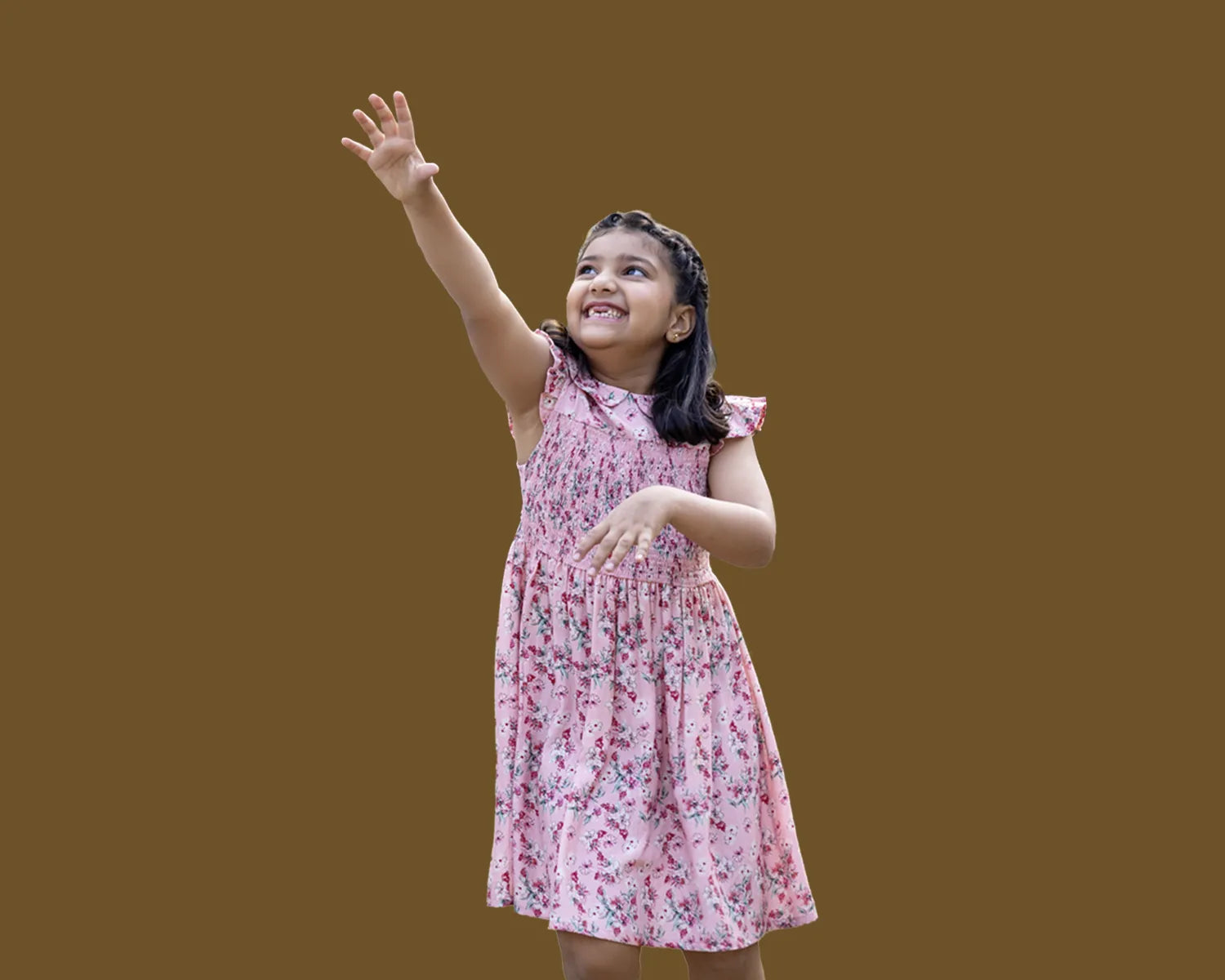
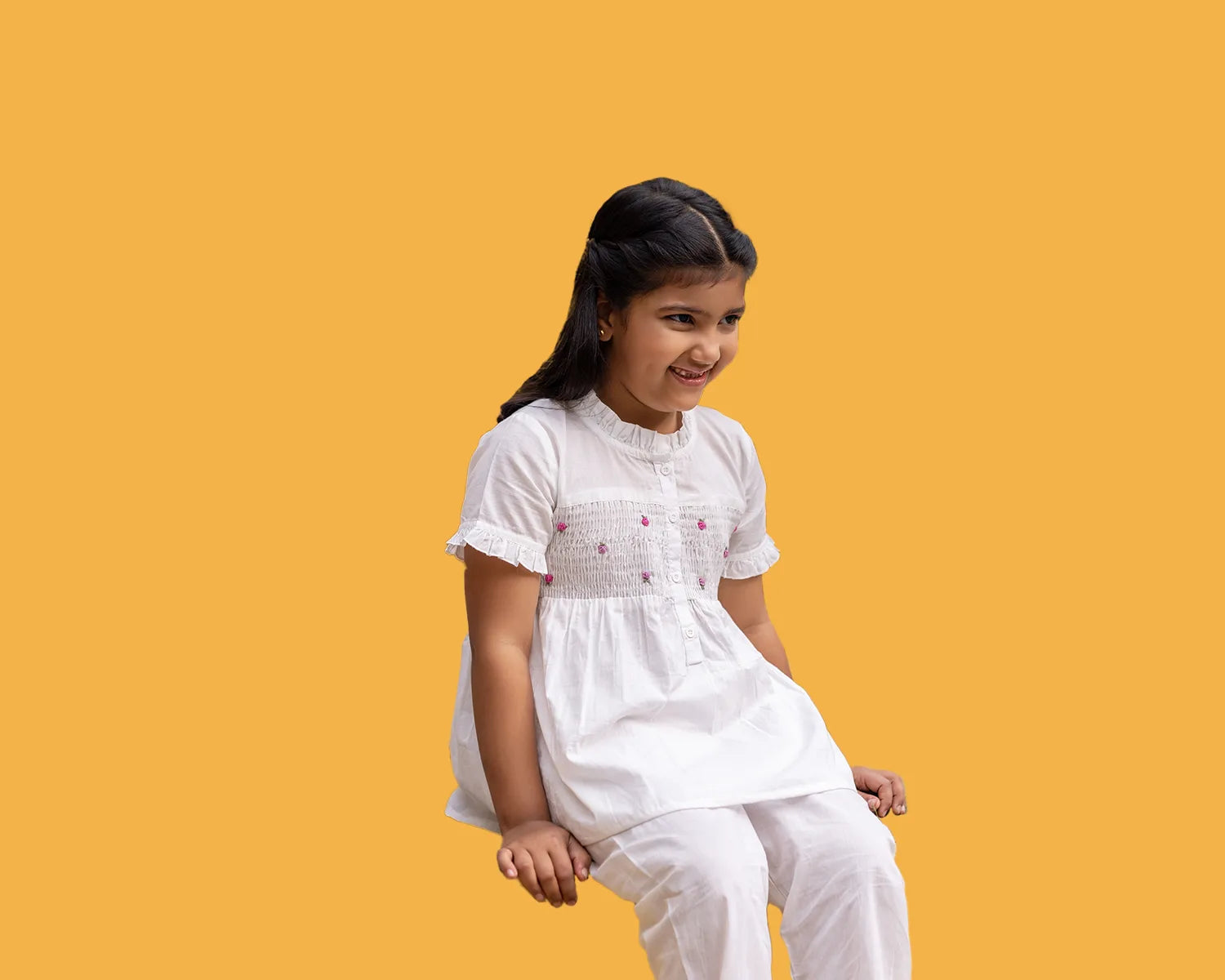
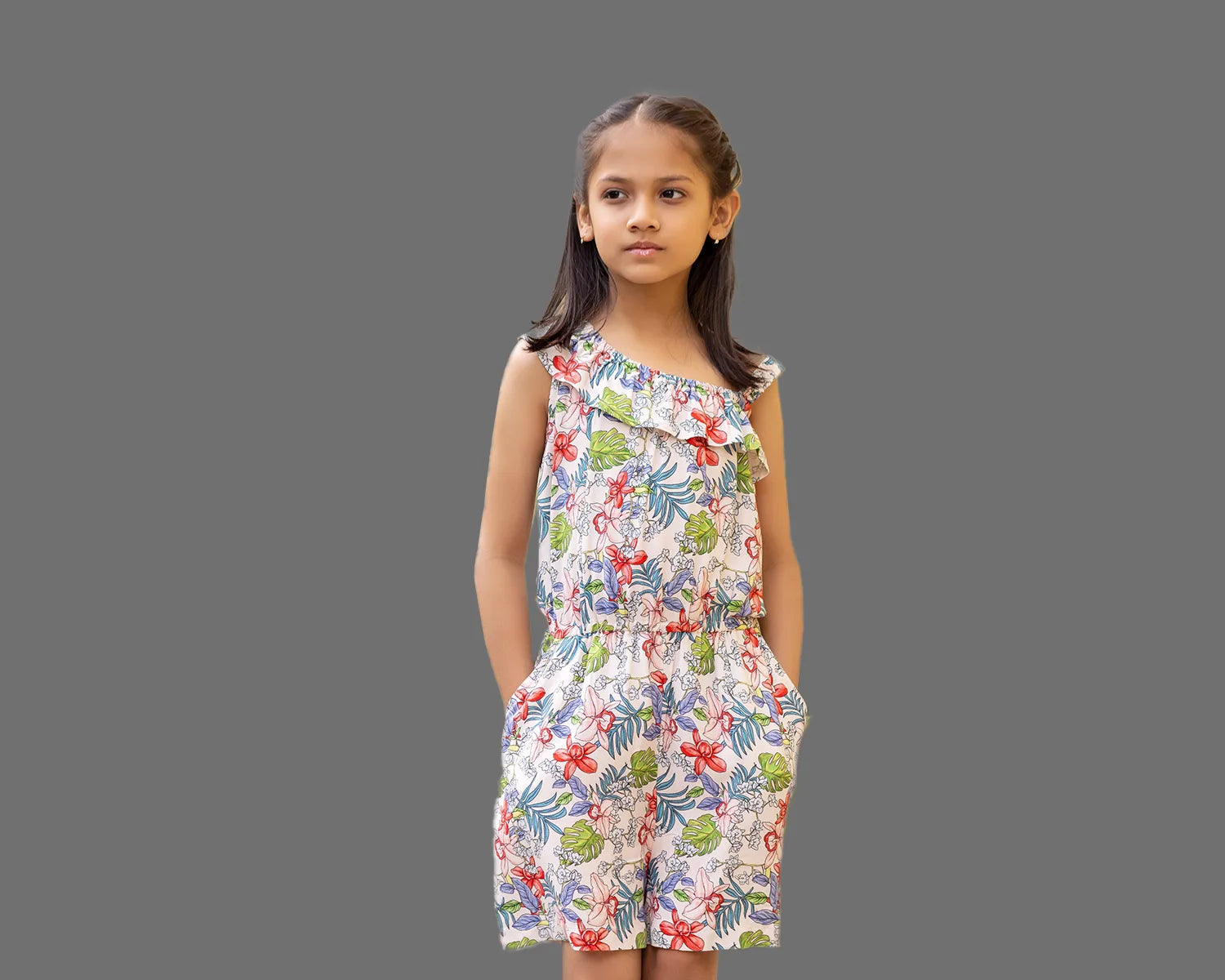
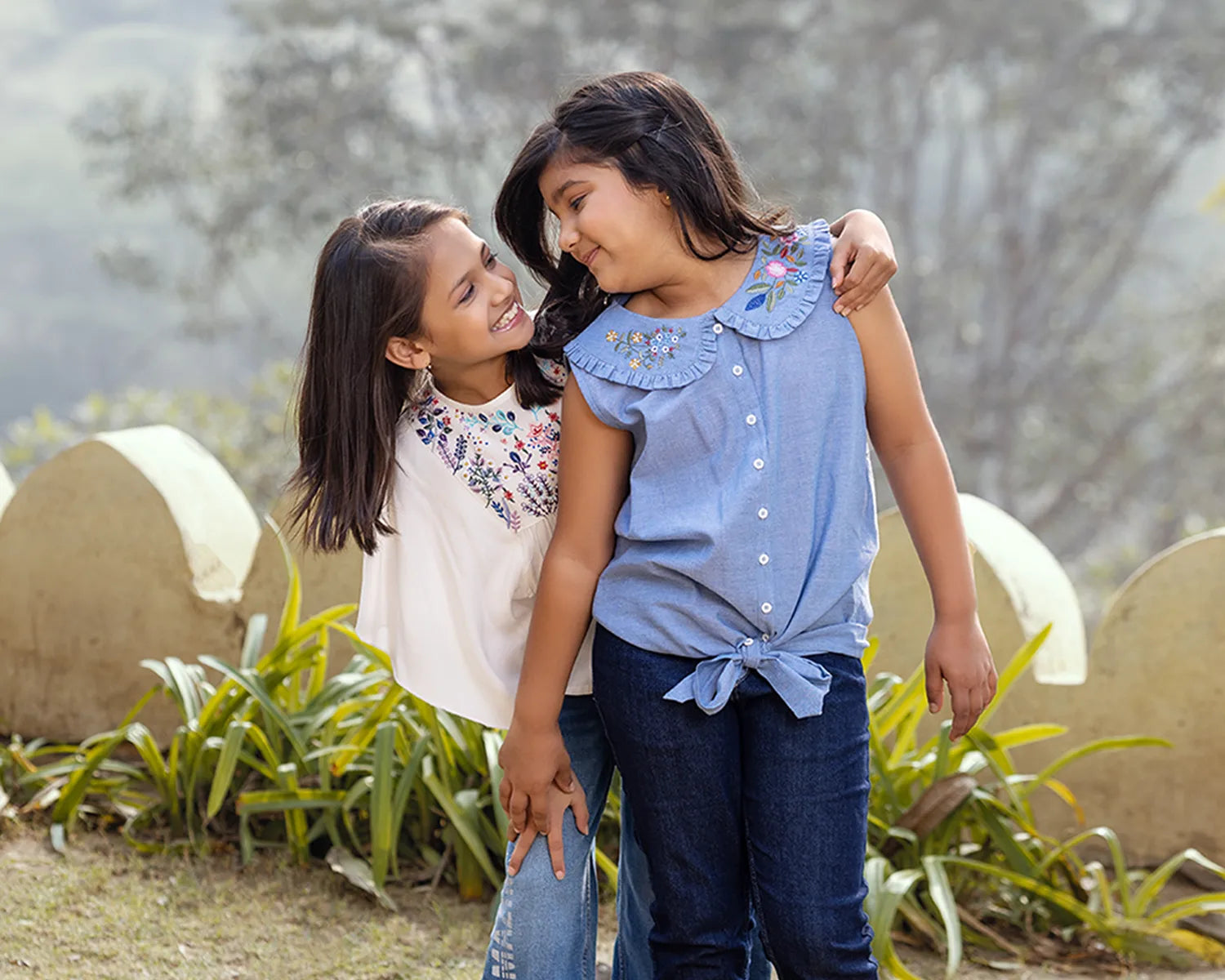
For girls: A dress with room to sit and reach. Browse our dresses for girls and check the fabric, lining and measurements of the chosen style.
-
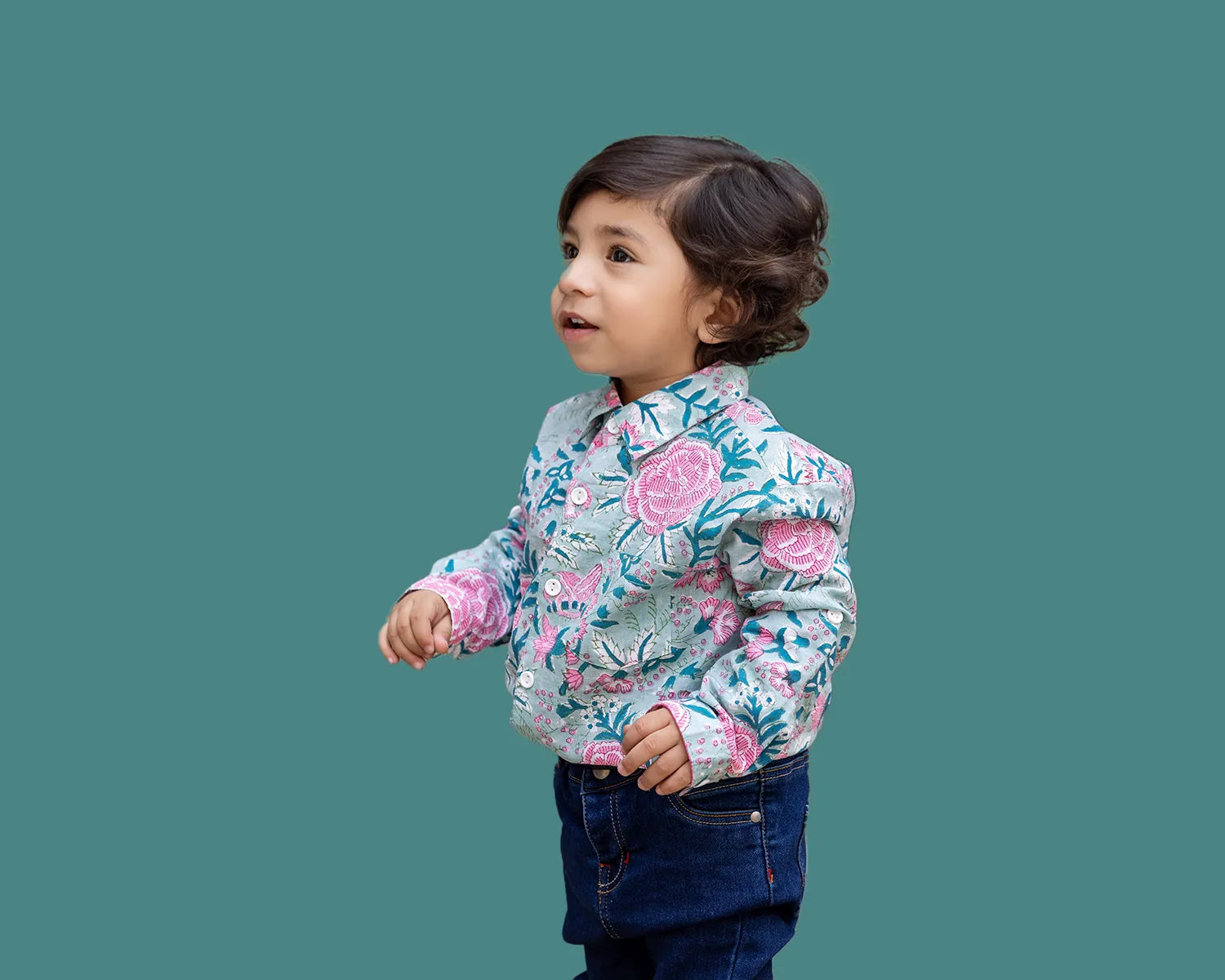
For boys: A cotton shirt with comfortable trousers or shorts suited to the weather and occasion.
-
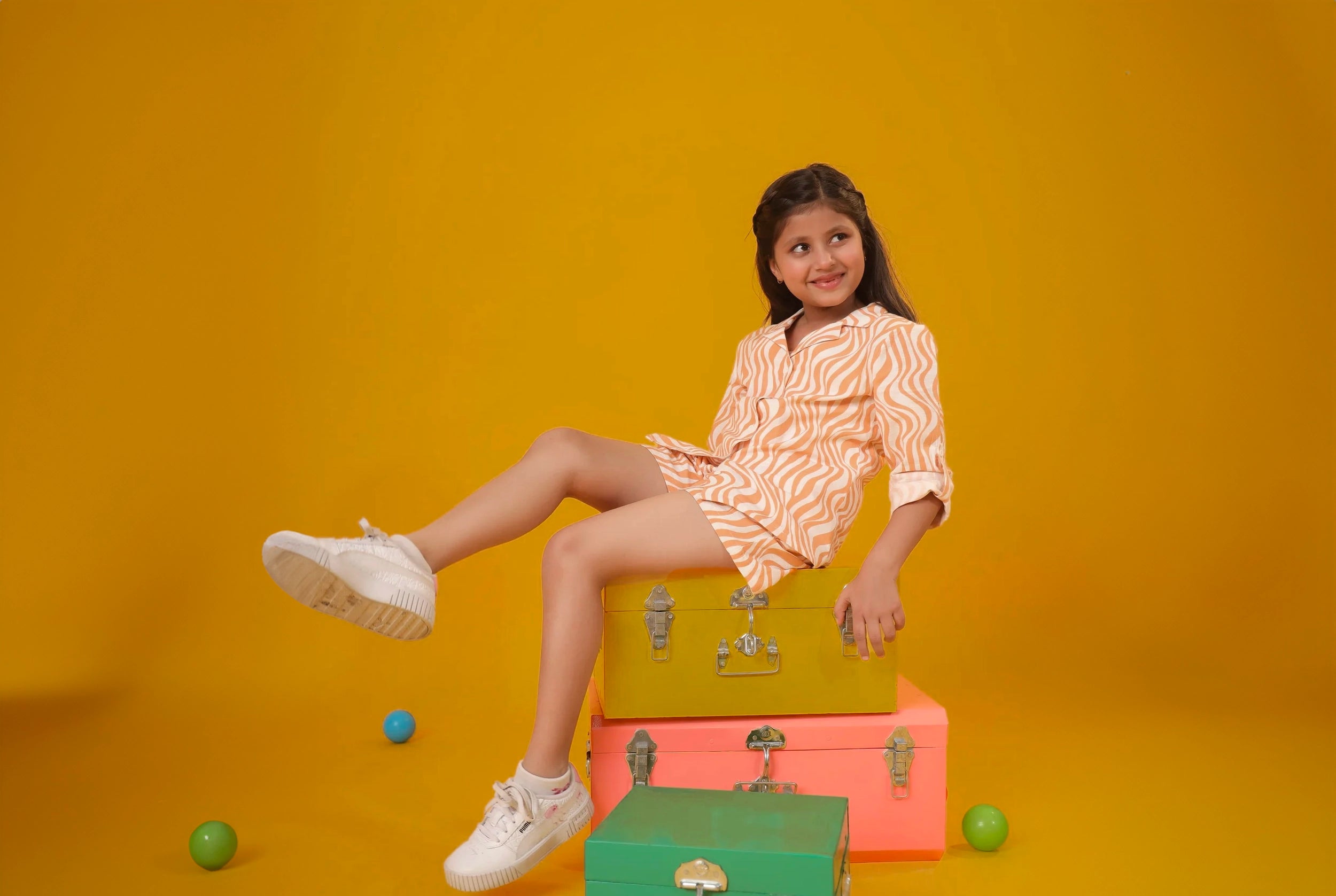
For children who prefer separates: A co-ord set, with a waistband and fastenings they can manage comfortably.
-
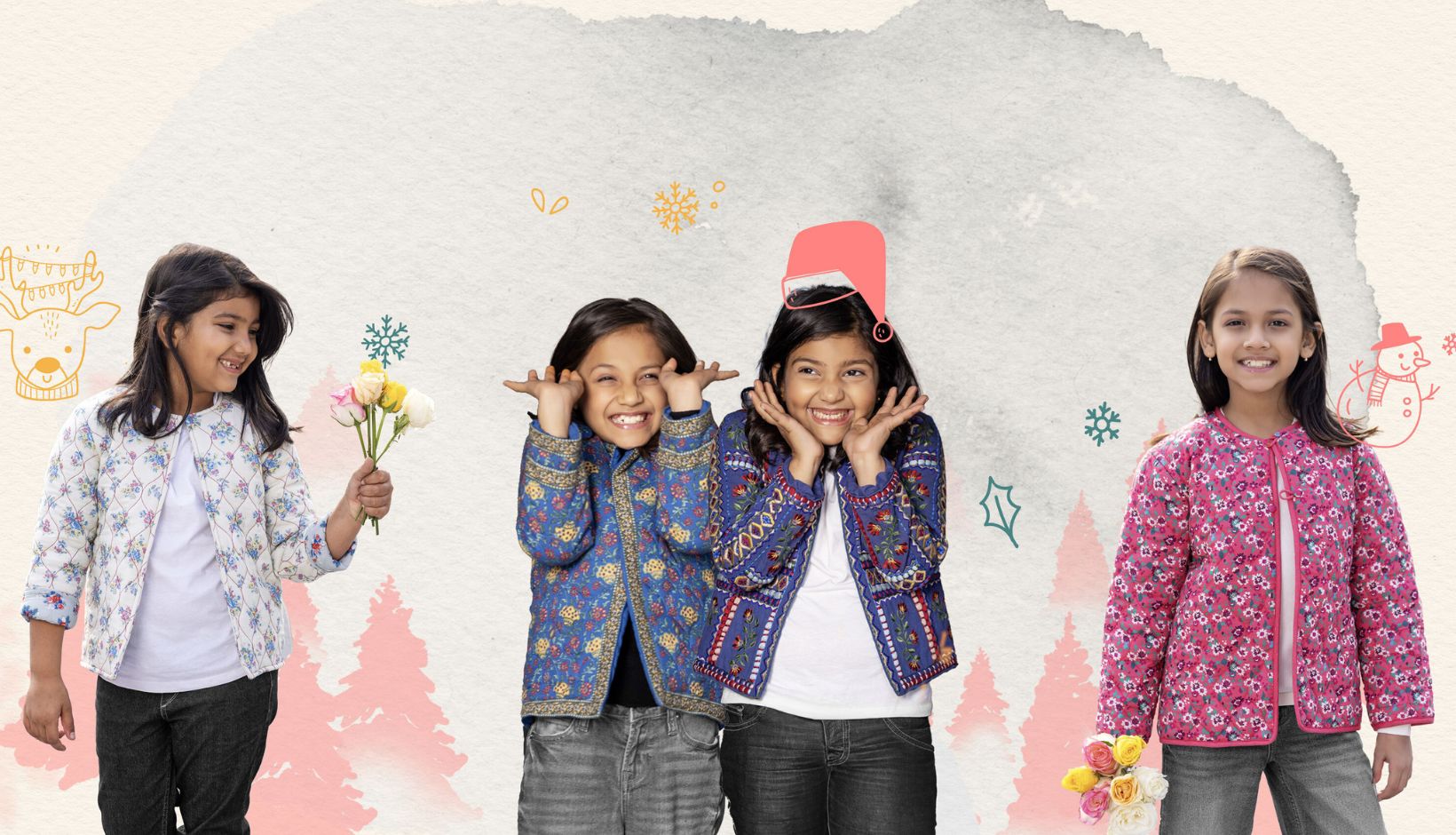
For a cool evening: A removable layer from our kids' quilted jackets collection. Try it over the full outfit to check arm movement.
For more Diwali outfit ideas for girls and boys, read our Diwali dress for kids guide. It also covers babies, sibling combinations and buying checks.
Keep crafts and clothes away from flames
Uttar Pradesh Fire Services' Diwali guidance advises keeping combustible materials away from burning diyas and candles. Set up craft tables and children's play areas away from the puja lamps. Paper decorations, clothes and packaging should stay clear of flames.
For a child's display, consider flameless lights, as suggested by the U.S. Fire Administration. An adult should manage them and keep batteries and lighting units out of young children's reach. Keep painted craft diyas unlit. Fabric choice does not make clothing fireproof.
FAQs
What are good Diwali activities for preschoolers?
Paper diya collages, colouring, large paper rangoli shapes and handmade cards are useful starting points. Prepare the pieces beforehand and offer one task at a time. Stay nearby and let the child decide when they have finished.
Which Diwali activities work for kindergarten?
Choose a short story, one paper craft and a picture game. Use large materials, demonstrate each step and avoid tasks that depend on reading. A shared display lets every child contribute without needing identical results.
How can we celebrate Diwali with kids without crackers?
Make decorations, play picture bingo, listen to family stories or hold a short performance. Children can also give out greeting cards and help welcome relatives. Let them choose one activity that becomes their part of the celebration.
What are some easy Diwali crafts with things at home?
Use a clean packaging card for a rangoli base, leftover paper for diya shapes and an existing paper bag for a gift. Crayons, pencils and a glue stick are enough for several of these activities. Check that materials are suitable for your child's age.
What can children wear to a school Diwali celebration?
Follow the school's dress instructions. Where festive casual clothes are allowed, a dress, cotton shirt with comfortable bottoms or co-ord set can work. Check sitting comfort, sleeve length, footwear and whether the child can manage toilet breaks easily.
Leave something for your child to decide
The rangoli may end up with an extra colour. The greeting card may have a dinosaur beside the diya. Let those choices stay. When your child points to the decoration and tells a visitor, "I made that," they have found a place for themselves in the festival.

