







As parents, we mostly pay attention to the food our children eat, the soaps they use, and the places they play. But there is one important factor that we overlook. The clothes they wear can sometimes cause skin irritation. If your child comes home scratching their neck, rubbing their arms, or complaining that a shirt feels itchy, their clothing could be the reason.
Children have delicate skin that is thinner and more sensitive than adult skin. Rough fabrics, tight-fitting clothes, harsh dyes, and trapped sweat all can cause skin irritation. According to the American Academy of Dermatology, fabrics that do not allow the skin to breathe may worsen conditions such as eczema and heat rash, especially in hot and humid weather.
This does not mean every rash is caused by clothing. Allergies, infections, and medical conditions can also be responsible. But, choosing the right kids clothing fabric can reduce irritation and help children stay comfortable throughout the day.
If you are wondering whether your child's clothes are causing discomfort, here are seven signs to watch for and practical ways to prevent them.
1. Your Child Keeps Scratching After Getting Dressed
One of the earliest signs of kids skin allergies from clothes is constant scratching soon after wearing an outfit. You may notice your child rubbing their neck, shoulders, waist, or behind the knees.
Sometimes the irritation comes from rough stitching, synthetic fibres, or clothing that traps heat.
How to prevent it
-
Choose soft cotton clothing.
-
Avoid stiff fabrics for everyday wear.
-
Wash new clothes before the first use to remove any finishing chemicals left from manufacturing.
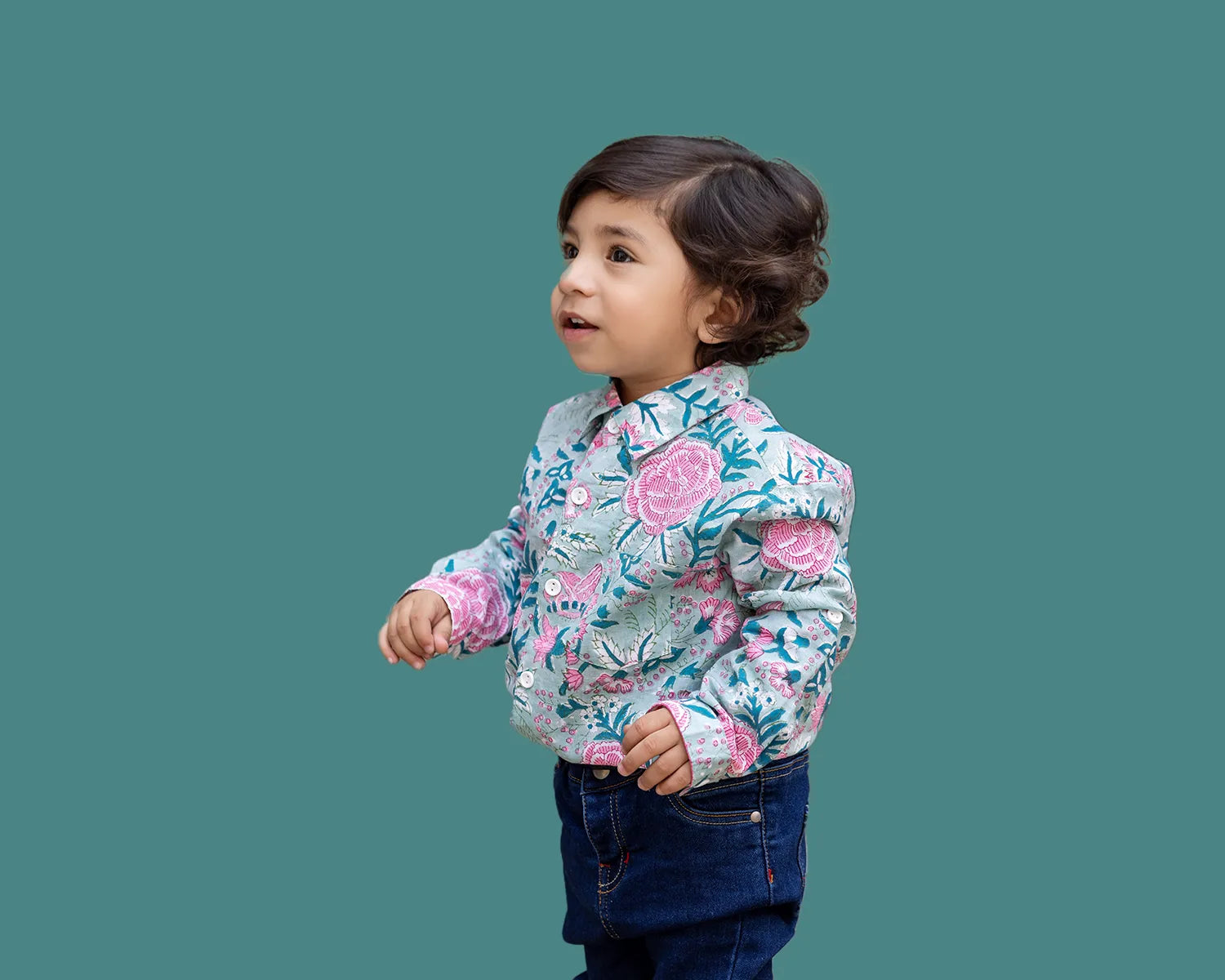
Cotton fashion has remained a favourite among parents because natural fibres allow better airflow and feel softer against delicate skin.
2. Red Marks Appear Around the Neck or Waist
Have you noticed red lines where the collar or waistband sits?
These marks are caused by friction or tight elastic. During Indian summers and monsoon months, sweat increases friction, making the skin even more sensitive.
What you can do
-
Buy clothes with relaxed fits.
-
Choose soft waistbands.
-
Avoid tight collars that rub against the neck.
Many parents also prefer cotton clothes for sensitive skin because they feel lighter and reduce rubbing throughout the day.
3. Small Rashes Keep Coming Back
Children who develop tiny bumps on their chest, back, or underarms may be experiencing heat rash rather than a true allergy. According to the Mayo Clinic, blocked sweat ducts during hot and humid weather can lead to prickly heat, especially in children.
Heavy fabrics often trap moisture, making the problem worse.
A better choice
Look for skin friendly clothes for kids made from breathable cotton. Clothes that allow air to circulate help keep sweat from remaining on the skin for long periods.
4. Your Child Says Certain Clothes Feel "Itchy"
Children are usually honest about how clothes feel. If they refuse to wear one particular outfit, there may be a reason.
Some fabrics contain coarse fibres or decorative embroidery placed directly against the skin.
Instead of forcing them to wear those outfits, choose garments with:
-
Soft inner lining
-
Smooth seams
-
Comfortable stitching
-
Lightweight fabric
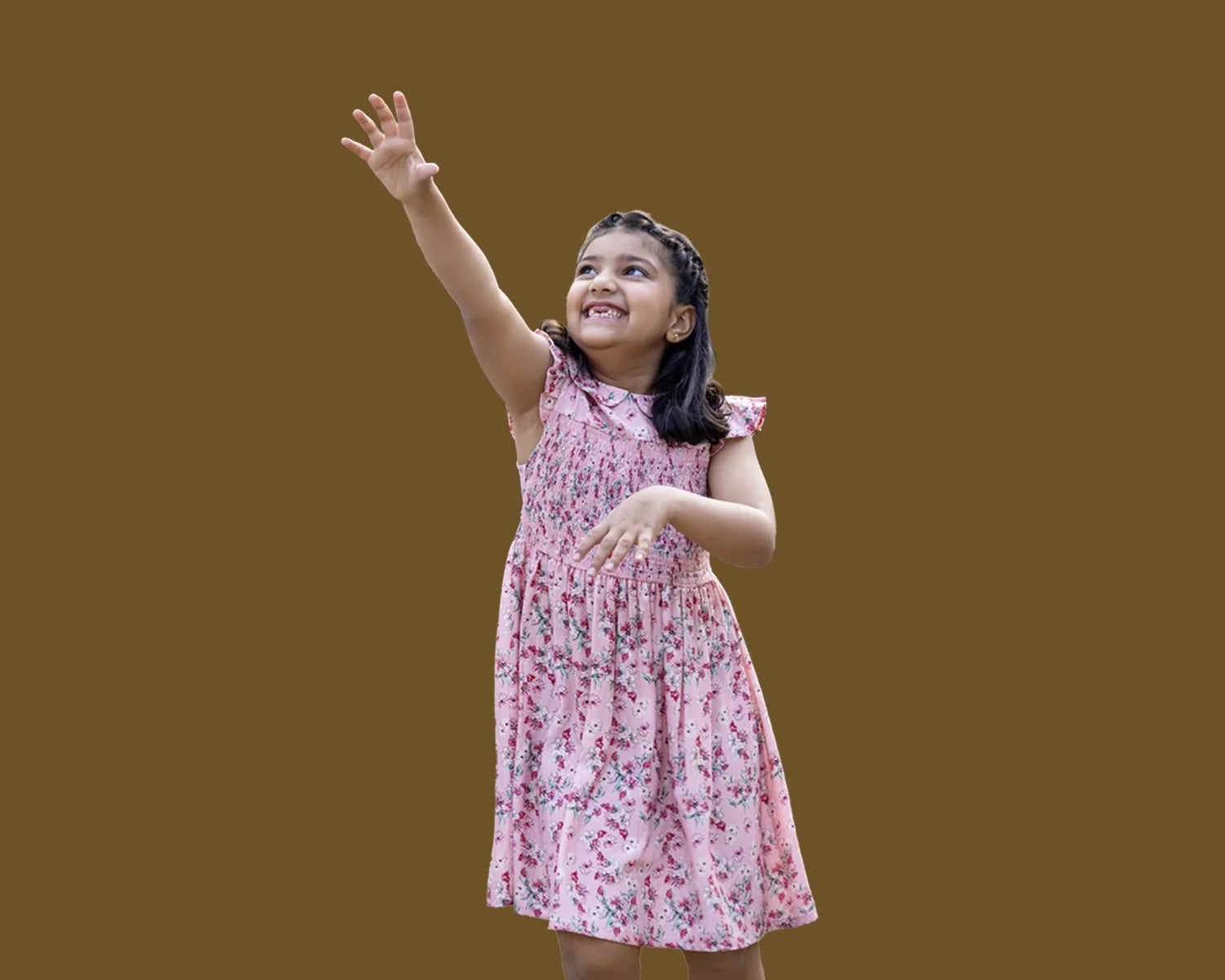
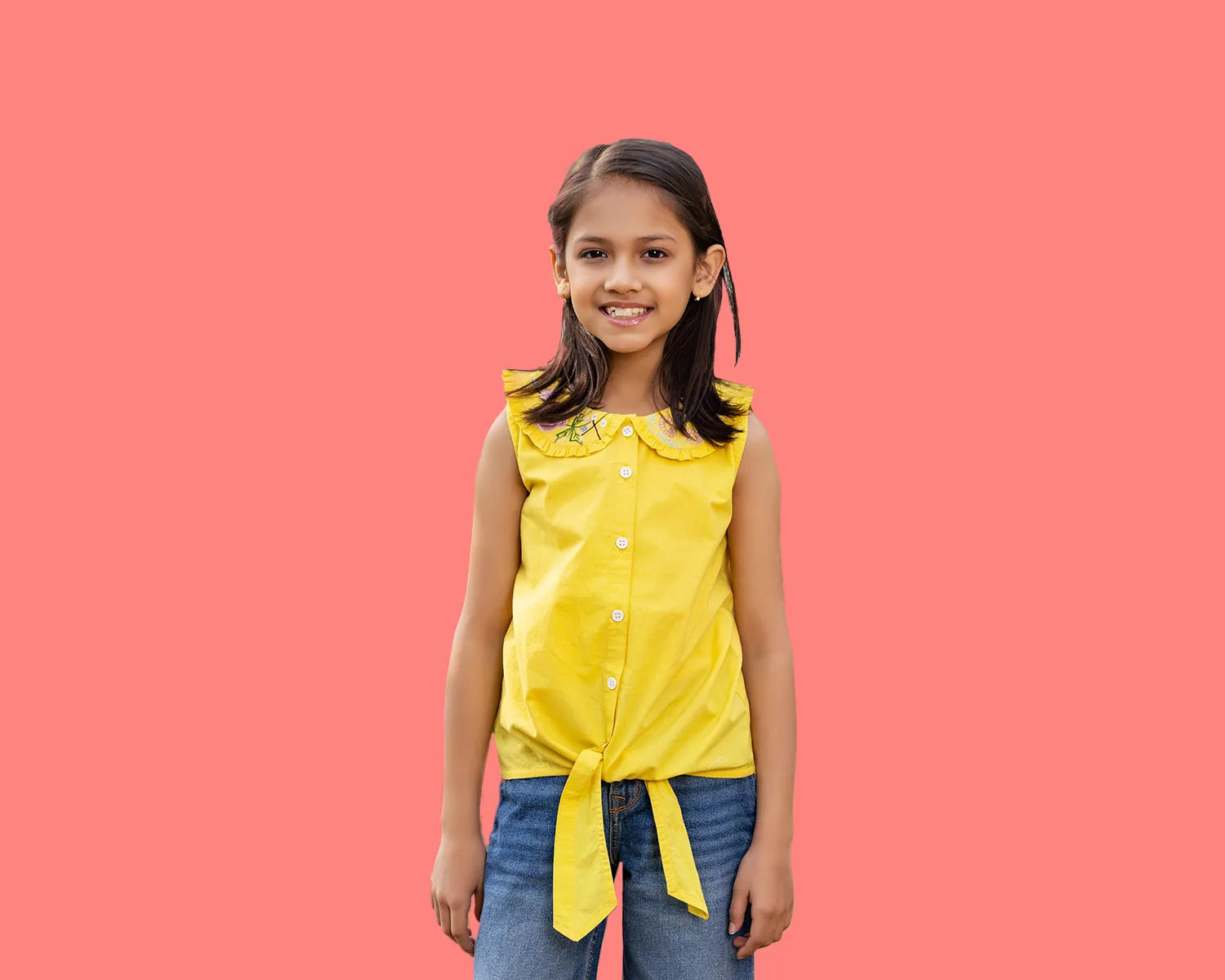
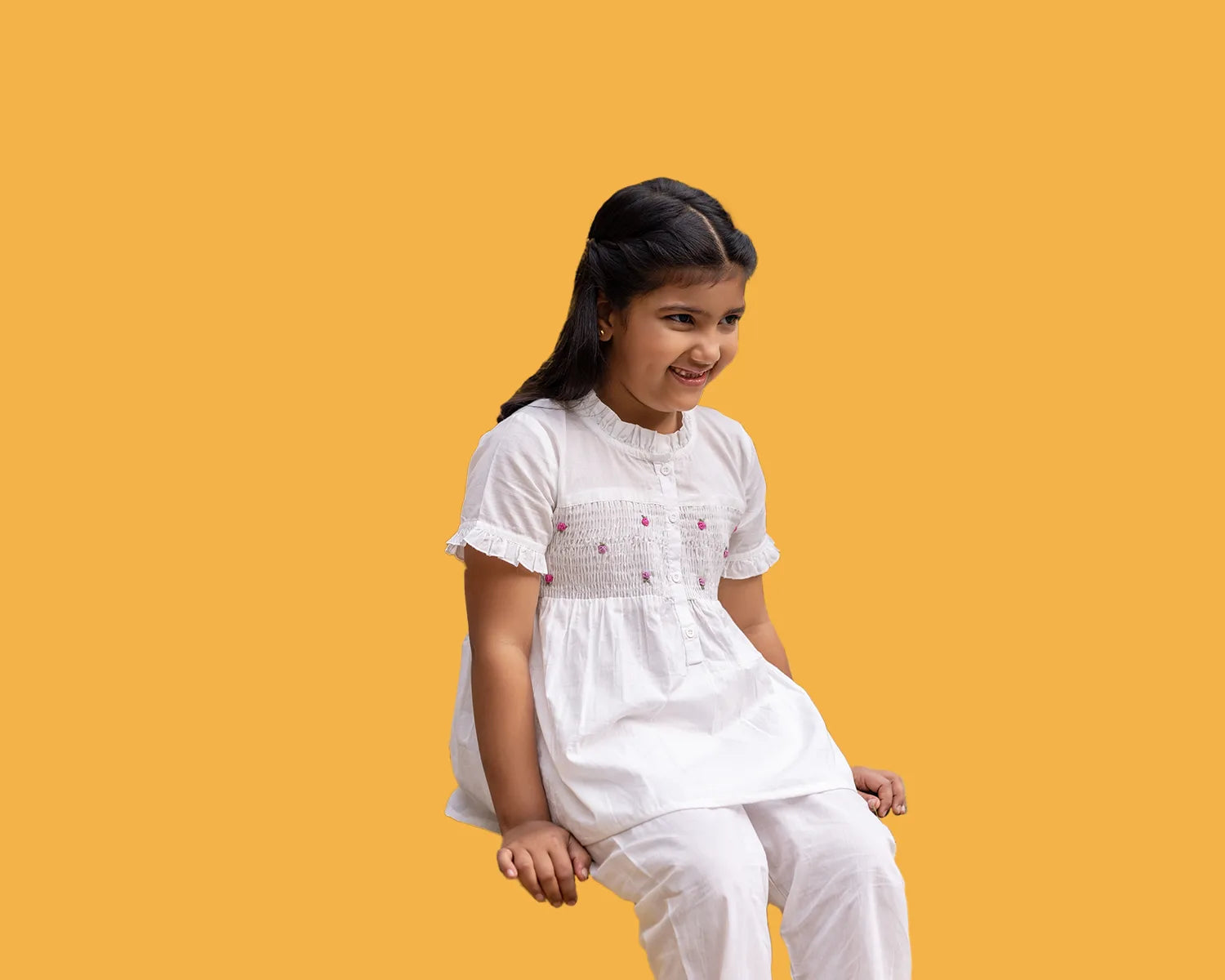
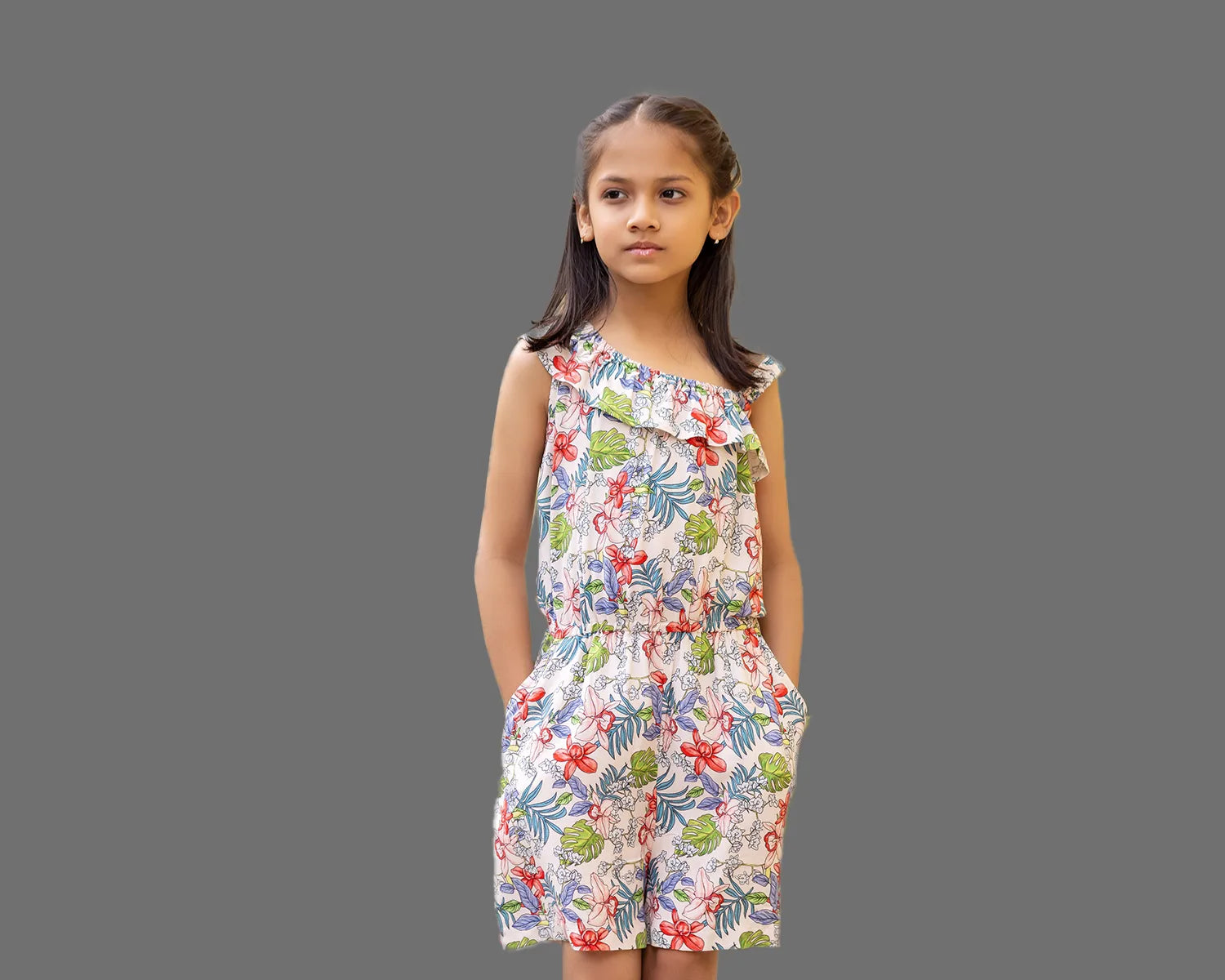
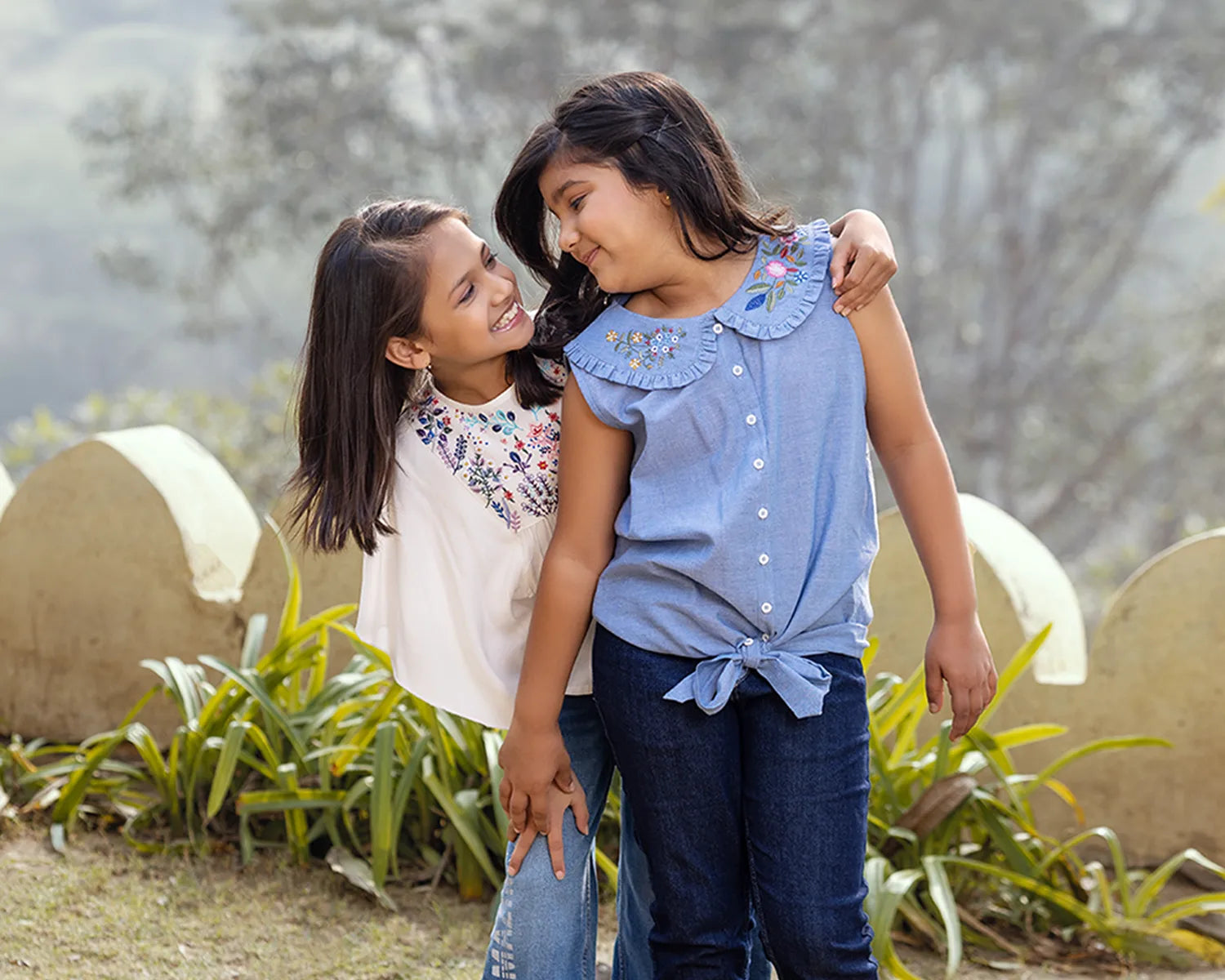
The Little Trunk offers several cotton outfits with soft inner linings that are designed with children's comfort in mind. Collections such as embroidered tops, cotton co-ord sets, and floral dresses combine gentle fabrics with playful designs, making them suitable for everyday wear.
5. Skin Irritation Gets Worse During Summer or Monsoon
Many parents notice that skin problems increase when temperatures rise.
That happens because humidity prevents sweat from evaporating quickly. Wet clothing stays against the skin longer, increasing irritation.
Choosing breathable kids clothing fabric becomes especially important during these months.
Good options include:
These allow children to move comfortably while helping their skin stay cool.
6. Your Child Sleeps Better in Cotton Nightwear
Night-time discomfort is another clue.
If your child sleeps peacefully in soft cotton clothes but wakes frequently when wearing synthetic fabrics, the material may be affecting their comfort.
Children sweat during sleep too. Breathable fabrics help regulate body temperature and reduce irritation overnight.
Many parents who choose cotton club clothing or similar cotton-based collections appreciate how comfortable these fabrics feel throughout the day and night.
7. The Rash Improves After Changing Clothes
Perhaps the strongest clue is simple.
You switch your child into a different outfit, and within a short time they stop scratching.
Although persistent rashes should always be checked by a doctor, temporary irritation that disappears after changing clothes often points towards the clothing itself.
Keeping a few soft cotton outfits ready for daily wear can make dressing easier and more comfortable.
How to Choose Comfortable Clothes for Sensitive Skin
Finding the right clothes does not have to be complicated. Keep these points in mind whenever you shop.
Choose natural fabrics
Cotton remains one of the most trusted choices because it is breathable, soft, and comfortable.
Look for relaxed fits
Children need room to move. Loose clothing also allows better air circulation.
Check the stitching
Rough seams can irritate delicate skin, especially around the shoulders and waist.
Wash new clothes first
Manufacturers often use finishing agents during production. Washing removes much of the residue before children wear the garment.
Pick quality over quantity
Well-made clothing lasts longer and usually feels better against the skin.
Comfortable Cotton Picks from The Little Trunk
If you are looking for everyday outfits that balance comfort with style, The Little Trunk offers several options made from pure cotton.
Some popular choices include:
These collections are thoughtfully designed with children in mind and make dressing for school, family gatherings, or holidays simple without compromising on comfort.
Conclusion
Children may not always be able to explain why they feel uncomfortable, but their skin often tells the story. Constant scratching, recurring rashes, red marks, and complaints about itchy clothes should never be ignored.
The good news is that small changes can make a big difference. Choosing breathable cotton fabrics, buying clothes with soft stitching, and avoiding tight fits can help reduce irritation and keep children comfortable throughout the day.
Cotton fashion continues to be one of the best choices for growing children because it combines comfort, breathability, and everyday practicality. When shopping for your child's wardrobe, focus on fabrics that are gentle on the skin. Comfortable children are happier, more active, and free to enjoy every moment of their day.
FAQs
1. Can clothes really cause skin allergies in children?
Yes. Certain fabrics, dyes, rough stitching, and tight clothing can irritate sensitive skin. While not every rash is an allergy, clothing can contribute to skin discomfort in many children.
2. Which fabric is best for children with sensitive skin?
Soft cotton is widely recommended because it is breathable, gentle on the skin, and helps reduce heat and moisture build-up.
3. How do I know if my child's rash is caused by clothing?
If the rash appears after wearing certain clothes and improves after changing into softer fabrics, clothing may be contributing to the irritation. Persistent or severe rashes should be examined by a healthcare professional.
4. Should I wash new clothes before my child wears them?
Yes. Washing new clothes removes dust, excess dye, and finishing chemicals that may irritate sensitive skin.
5. What type of clothes should children wear during hot and humid weather?
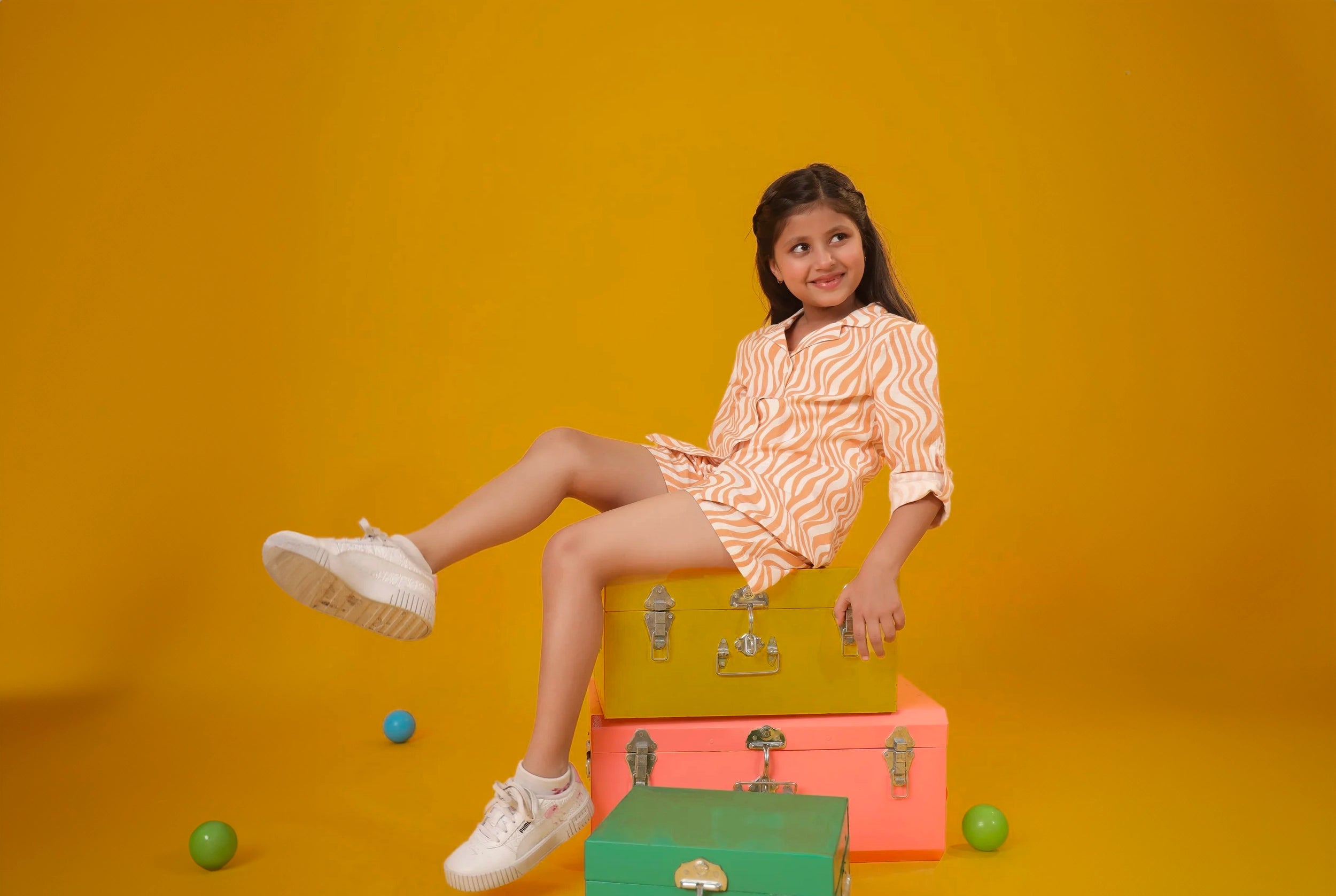
Choose lightweight cotton dresses, cotton shirts, cotton tank tops, shorts sets, and other breathable outfits that allow air circulation and keep children comfortable throughout the day.

