







A child draws ten heads on a sheet of paper, then pauses. “What should I write inside them?” Then a parent suggests “Things people sometimes do that hurt others”. Together, they name a few: lying, being unkind, refusing to share. On another sheet, the child draws the choices they would rather make.
That small activity gives Dussehra’s story a place in a child’s everyday life. The festival celebrates Lord Rama’s victory over Ravana and the triumph of good over evil. For children, it can also be a chance to think about what “good” looks like when they tell the truth, help a friend or try again after doing something wrong.
You don’t need a big lesson to start that conversation. A drawing, a puppet show or a handmade Ravana can spark questions and let children find their own words. Here are 15 Dussehra activities for kids that bring the festival’s stories and traditions into play at home or at school.
What are some easy Dussehra activities for kids
Children can make a paper Ravana, retell the Dussehra story with pictures, perform a short Ramleela, create greeting cards or explore how different Indian cities celebrate. For preschoolers, start with colouring and large paper shapes. Older children can write dialogue, label maps and help younger siblings with a craft.
When is Dussehra in 2026 and why do we celebrate it
Dussehra falls on Tuesday, 20 October 2026, as listed in Drik Panchang's 2026 festival calendar.
The Government of India's Incredible India guide describes its regional traditions. Dussehra marks Lord Rama's victory over Ravana. Ramlila performances tell episodes from the Ramayana, and some communities hold Ravan Dahan. The festival is also known as Vijayadashami or Dasara. In Bengal, Vijaya Dashami marks the close of Durga Puja, while Mysuru's Dasara honours Goddess Chamundeshwari.
For a young child, you can explain it this way: "Dussehra is a festival when families remember stories about good overcoming evil. People celebrate in different ways, including plays, processions and family customs."
Ask how your child has seen it celebrated. Leave room for the traditions followed in your own family and community.
Choose an activity that suits your child
NCERT's National Curriculum Framework for the Foundational Stage includes art, craft, movement and other forms of play in early learning. UNICEF India's guidance for teachers also suggests stories, puppets, matching games and opportunities for children to explain their ideas.
The ages and timings below are planning estimates. Adjust the tasks to the child and the supervision available.
|
Suggested age |
Useful starting points |
How an adult can help |
|
3 to 5 years |
Colouring, paper faces and picture matching |
Prepare large shapes and give one instruction at a time |
|
6 to 8 years |
Puppets, short plays and greeting cards |
Help with reading, cutting and taking turns |
|
9 to 10 years |
Maps, comic strips and a family interview |
Help the child check facts and organise ideas |
Keep crayons, large paper pieces, a glue stick and scrap card ready. Adults should handle sharp tools and supervise craft work. Use age-appropriate supplies and avoid small loose decorations around younger children.
15 Dussehra activities for school and home
1 Retell the Dussehra story with three pictures
Suggested age: 4 years and above. Time: 10 to 15 minutes.
You will need a children's Ramayana retelling, three sheets and crayons.
-
Read a short, age-appropriate account of Lord Rama, Sita and Ravana together.
-
Draw three moments from the account, then mix up the pictures.
-
Ask your child to put them in order and explain what happens in each one.
Let a younger child point while you supply the words. An older child can add a sentence below each drawing. Follow the chosen book's account and answer questions without dwelling on frightening details.
2 Make a paper Ravana with ten faces
Suggested age: 4 years and above. Time: 20 minutes.
For this paper Ravana craft, gather scrap card, coloured paper, crayons and glue.
-
Prepare one large paper body and ten face shapes for the child to decorate.
-
Count the faces together before arranging them along a wide card strip.
-
Attach the strip to the body and display the finished figure on a board.
Explain that the ten heads belong to Ravana's portrayal in the story. Younger children can draw faces on a strip you have prepared. Keep the model as a paper display, away from flames.
3 Create folded paper puppets
Suggested age: 5 years and above. Time: 20 minutes.
You will need folded card, crayons, glue and a familiar storybook.
-
Draw a few characters from the story on separate pieces of card.
-
Fold a wide tab behind each figure so a child can hold it comfortably.
-
Take turns moving the puppets and saying one sentence for each character.
A table edge can serve as the stage. In a classroom, one child can narrate while others handle the puppets. Let children choose a speaking or non-speaking part.
4 Perform a short Ramleela scene
Suggested age: 6 years and above. Time: 20 to 30 minutes.
Choose a brief scene from the children's book you have read. Delhi Tourism's account of Dussehra describes Ramlila as a dramatic telling of Lord Rama's story.
-
Give each participant a short line and let an adult or older child narrate.
-
Mark the acting area clearly and practise entering and leaving it.
-
Perform once for the family or class, then let children discuss the scene.
Use spoken narration for battles. Keep movements simple, with no mock fighting or pointed props.
5 Play a Ramayana picture matching game
Suggested age: 4 years and above. Time: 10 minutes.
Prepare pairs of cards showing characters from the story you have just read.
-
Start with three pairs placed face up.
-
Ask the child to find matching pictures and say each character's name.
-
For older children, pair a picture with a written name or a clue from the book.
This is one of the Dussehra activities for kindergarten that you can simplify for a small group. Add cards gradually and allow children to help one another.
6 Build a bridge for a story scene
Suggested age: 5 years and above. Time: 15 to 20 minutes.
If your Ramayana retelling includes the journey to Lanka, use it as the starting point for a building task. Gather blocks, stiff card and a blue sheet to represent water.
-
Place the blue sheet between two areas of the floor.
-
Ask your child to build a bridge across it using the materials provided.
-
Move a toy figure over the bridge and adjust any part that falls.
Let the child try a second design. Keep the activity on the floor and use toys suitable for their age.
7 Make a wheel of kind choices
Suggested age: 6 years and above. Time: 15 minutes.
You will need a large paper circle and colouring pencils.
-
Divide the circle into four sections and write a familiar situation in each.
-
Try examples such as a classmate dropping their books or two children wanting the same crayon.
-
Ask the child to draw or write a helpful response beside each situation.
Use the festival's theme to talk about choices people make. Discuss actions calmly, and allow more than one sensible answer to each situation.
8 Make a Dussehra greeting card
Suggested age: 3 years and above. Time: 15 minutes.
Fold a sheet of card and offer crayons, paper shapes and glue.
-
Let your child choose a scene or design from the day's conversation.
-
Add a greeting such as "Happy Dussehra" or "Happy Vijayadashami".
-
Help them write the recipient's name and a short message inside.
For a preschool Dussehra craft, an adult can write the greeting while the child draws. Ask who they would like to give the card to and why.
9 Design a crown for a story character
Suggested age: 4 years and above. Time: 15 to 20 minutes.
Use a wide card strip, large paper shapes, crayons and tape.
-
Ask the child which character's crown they want to design.
-
Decorate the strip with drawn patterns or large glued shapes.
-
Let an adult check the fit and secure the join with tape.
This can support a Dussehra fancy dress activity when the school has approved the character. Keep the crown lightweight, leave the face clear and let the child remove it whenever they wish.
10 Match festival traditions to places on a map
Suggested age: 7 years and above. Time: 20 minutes.
You will need an outline map of India and three labelled picture cards.
-
Find Delhi and add a picture representing Ramlila.
-
Mark Mysuru in Karnataka and add a Dasara procession drawing.
-
Find Kolkata in West Bengal and add a picture connected with Vijaya Dashami.
Use the Incredible India Dussehra guide to check the descriptions together. These are examples of local celebrations. Families also carry their customs to other places, so invite children to add their own connections.
11 Draw a Dasara procession on a long paper strip
Suggested age: 5 years and above. Time: 20 minutes.
Begin with a photograph of the Mysuru Dasara procession from the tourism guide. You will need paper sheets, tape and pencils.
-
Look together for musicians, decorated vehicles and the order of the procession.
-
Join two or three sheets into a long strip.
-
Let each child draw one section, then place the sections beside each other.
Discuss what the children notice in the photograph before they begin. Label the finished work "Mysuru Dasara" so they can connect their drawing with a real place.
12 Put together a Dussehra classroom display
Suggested age: 5 years and above. Time: 20 minutes, using completed work.
Gather the paper Ravana, cards, maps or drawings the children have already made.
-
Give the display a clear title and arrange work at a height children can see.
-
Add a short label explaining each activity.
-
Invite children to show a classmate one detail they chose.
For Dussehra decoration ideas for school, this uses the class's own work and gives children something to explain. Adults should secure the display. Keep doorways and walking routes clear.
13 Interview a grandparent or another familiar adult
Suggested age: 6 years and above. Time: 15 minutes.
Give your child a notebook and help them prepare three questions.
-
Where did you celebrate Dussehra when you were young?
-
What did you watch, make or help with?
-
Which part would you like to share with me this year?
The child can draw the answers or write a few sentences. A school task can include any familiar adult or a teacher's account. Explain that one person's memories describe their own experience of the festival.
14 Draw a comic about a Dussehra visit
Suggested age: 7 years and above. Time: 20 minutes after the visit.
Divide a sheet into four panels. Use a family visit to a Ramlila, a local celebration or the school programme as the subject.
-
Draw where you went and who came with you.
-
Show something you watched or helped to make.
-
Add one question you asked and something you would like to learn next.
If you stayed at home, draw the day's craft or family gathering. Ask permission before using someone else's photograph as a reference.
15 Make a small Dussehra question book
Suggested age: 6 years and above. Time: 15 to 20 minutes.
Fold two sheets into a booklet and place one question on each page.
-
Who are the characters in the story we read?
-
What is Ramlila?
-
Where is Mysuru, and what did we notice about its Dasara celebration?
-
How does our family or school mark the day?
Let children answer through drawings or short sentences. Add a final blank page for their own question. This gives you a starting point for the next conversation.
How to plan a Dussehra celebration in school
A short programme works well when children have enough time to finish one activity and talk about it. Here is a suggested 45-minute plan for a small class.
|
Time |
Activity |
|
First 5 minutes |
Introduce the festival with a picture and a short explanation |
|
Next 15 minutes |
Make a paper Ravana or greeting card |
|
Next 5 minutes |
Clear materials and take a water break |
|
Next 10 minutes |
Retell the story with pictures or puppets |
|
Final 10 minutes |
Let children share their work and tidy the room |
Prepare materials before the class begins. Offer drawing or listening roles to children who prefer them, and follow the school's guidance on cultural and religious activities. Avoid asking every child to buy a costume or craft kit.
If the school is marking both festivals, our Navratri activities for kids guide covers Garba, colour activities and other ideas for the preceding celebrations.
How to celebrate Dussehra with kids at home
Choose one craft and one shared activity, such as a puppet story or a family interview. Set out the materials and let your child decide which to start with. UNICEF's guidance on free play encourages parents to listen to children's interests and provide a safe space and suitable materials.
If you plan to attend an event, check the organiser's arrangements and decide how long your child can comfortably stay. Keep children close and follow barriers and staff instructions. At home, keep crafts away from lamps and candles. Delhi Fire Service advises keeping matches, lighters and crackers away from children, and paper and clothes away from heat sources.
What should kids wear for Dussehra activities
Choose the outfit around the day's plans. A child making crafts needs sleeves that stay clear of glue and paint. A school performance may have a specific costume brief. For family visits, check whether the outfit remains comfortable through sitting, walking and meals.
When choosing a Dussehra dress for kids, look at:
-
Movement: Ask your child to sit, bend and raise both arms during a trial fitting.
-
Fastenings: Check that buttons, zips and waistbands are manageable for the child or accompanying adult.
-
Length: Hems should allow easy walking and climbing steps.
-
Fabric and lining: Read the product details and check the inside of the garment for rough areas.
-
Care: Use an apron for messy crafts and follow the garment's washing instructions.
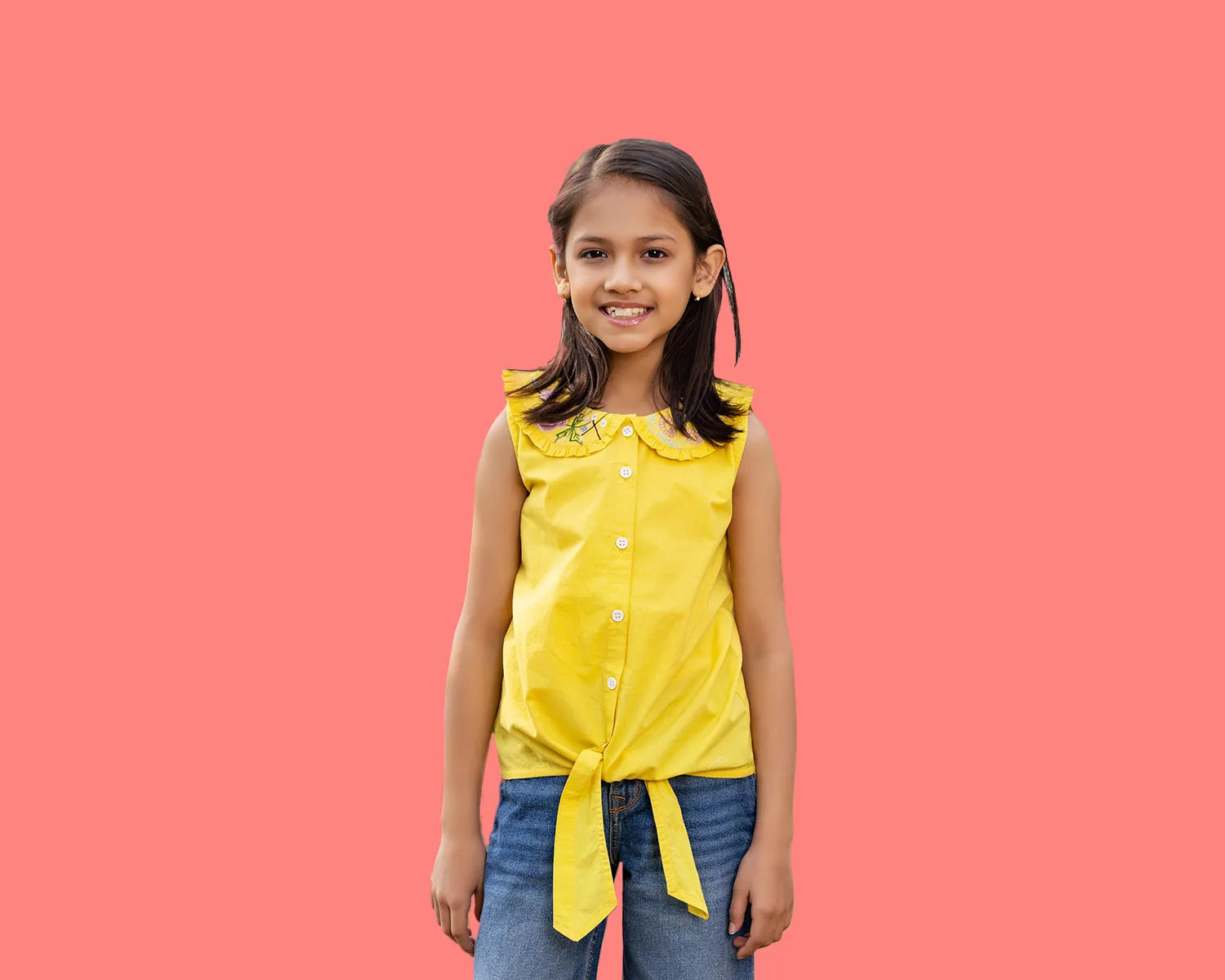
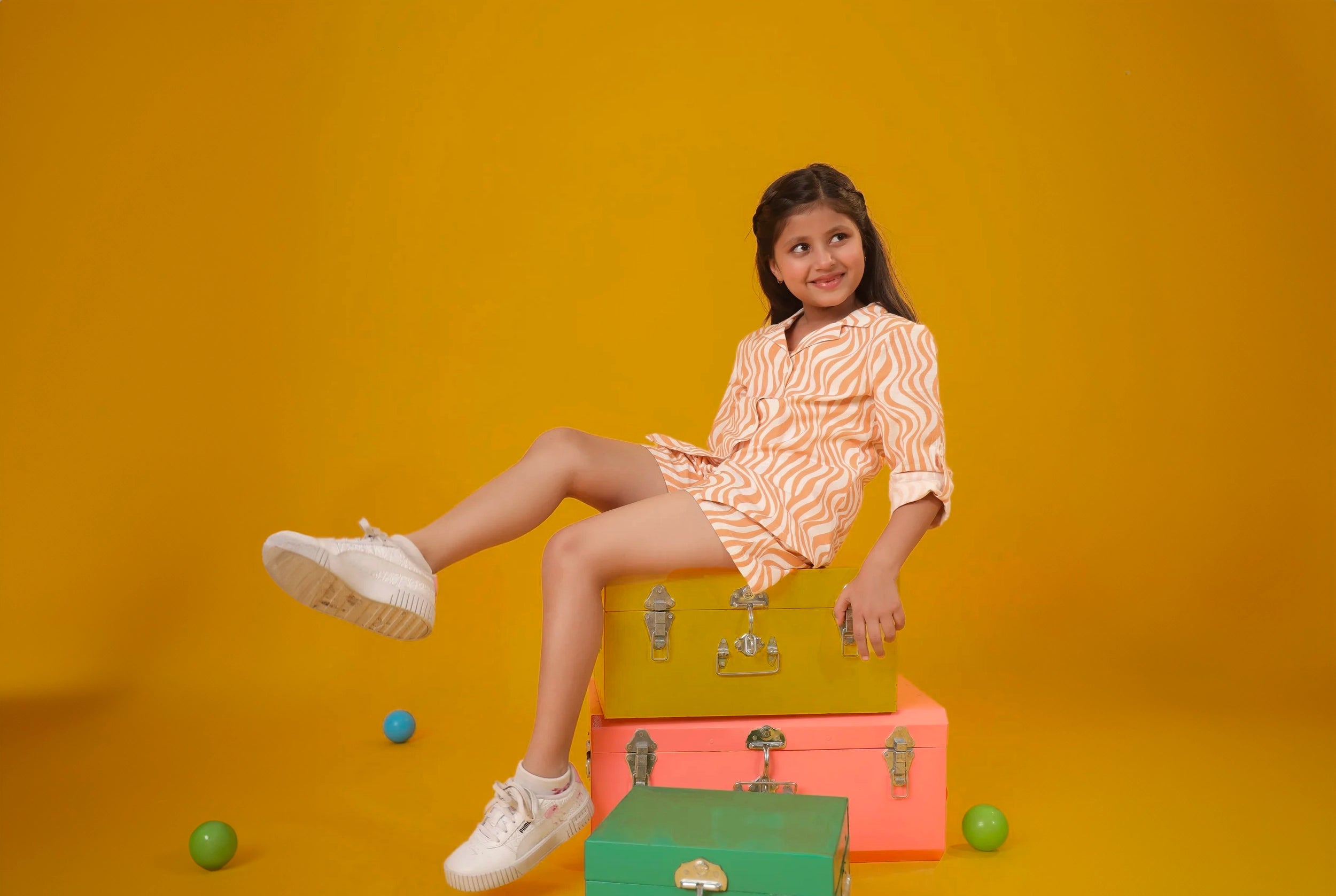
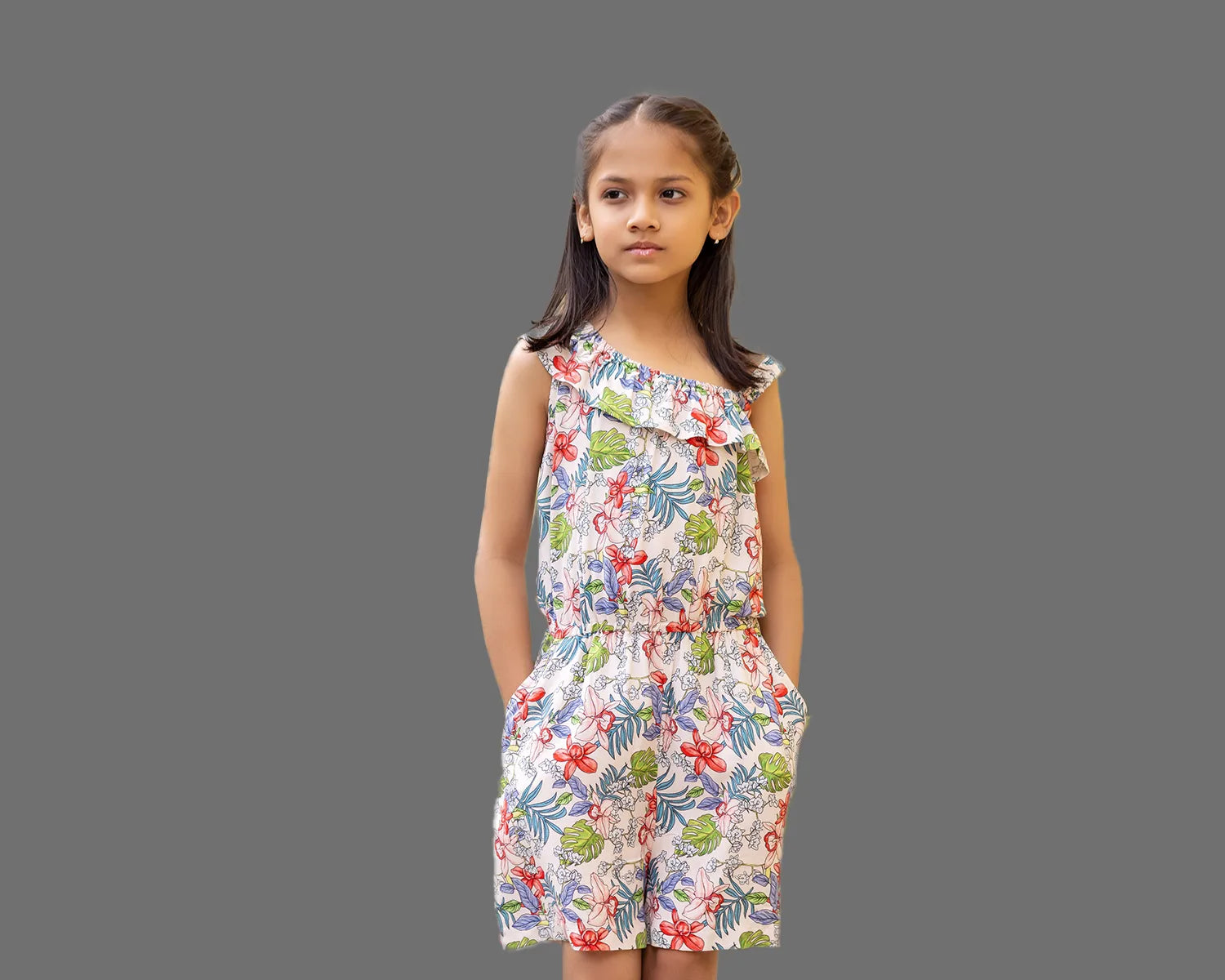
For girls, a dress or a co-ord set may suit a school celebration where casual festive clothing is allowed. For boys, a cotton shirt with familiar trousers or shorts can be practical. Follow the school notice when traditional clothing or a character costume is required.
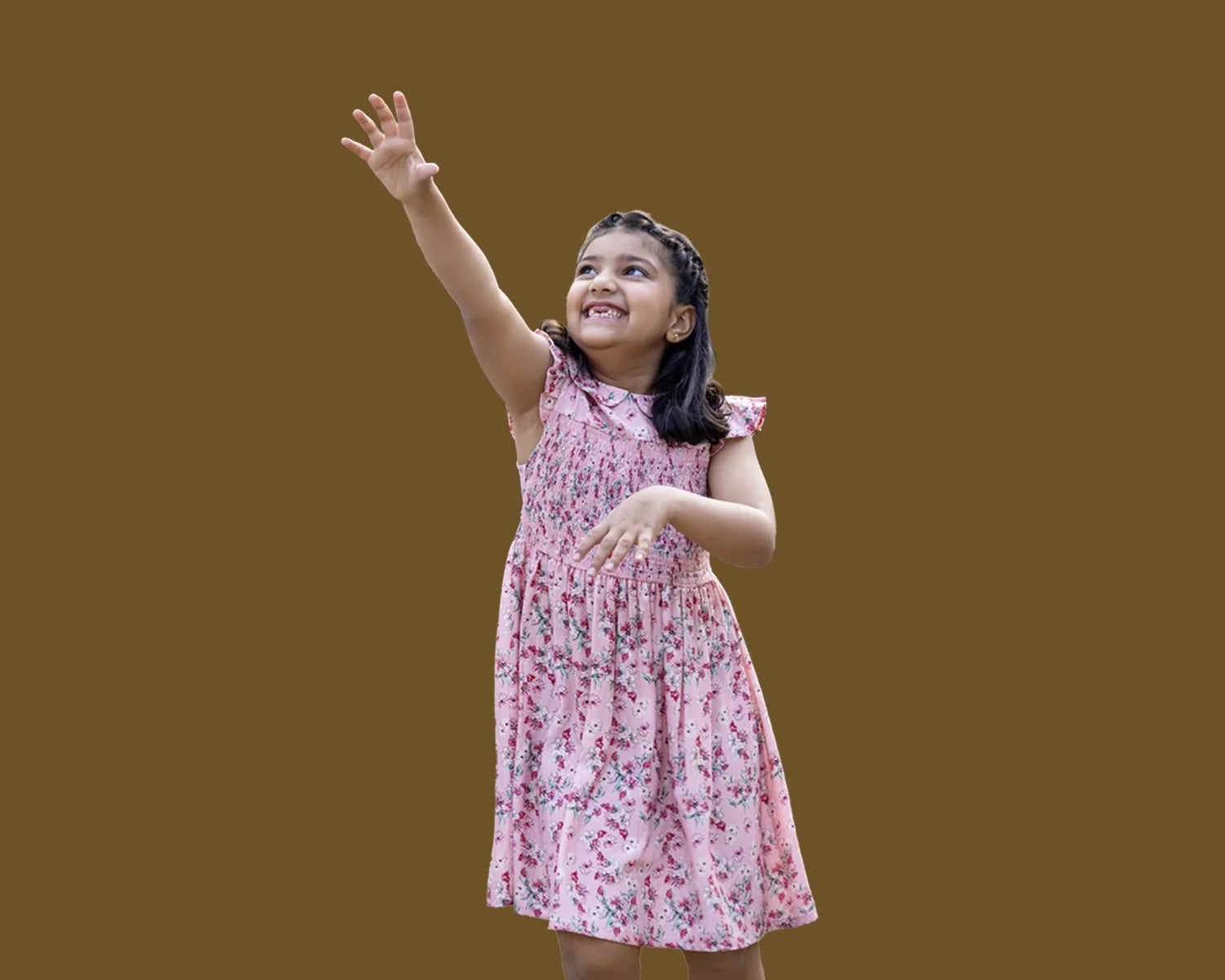
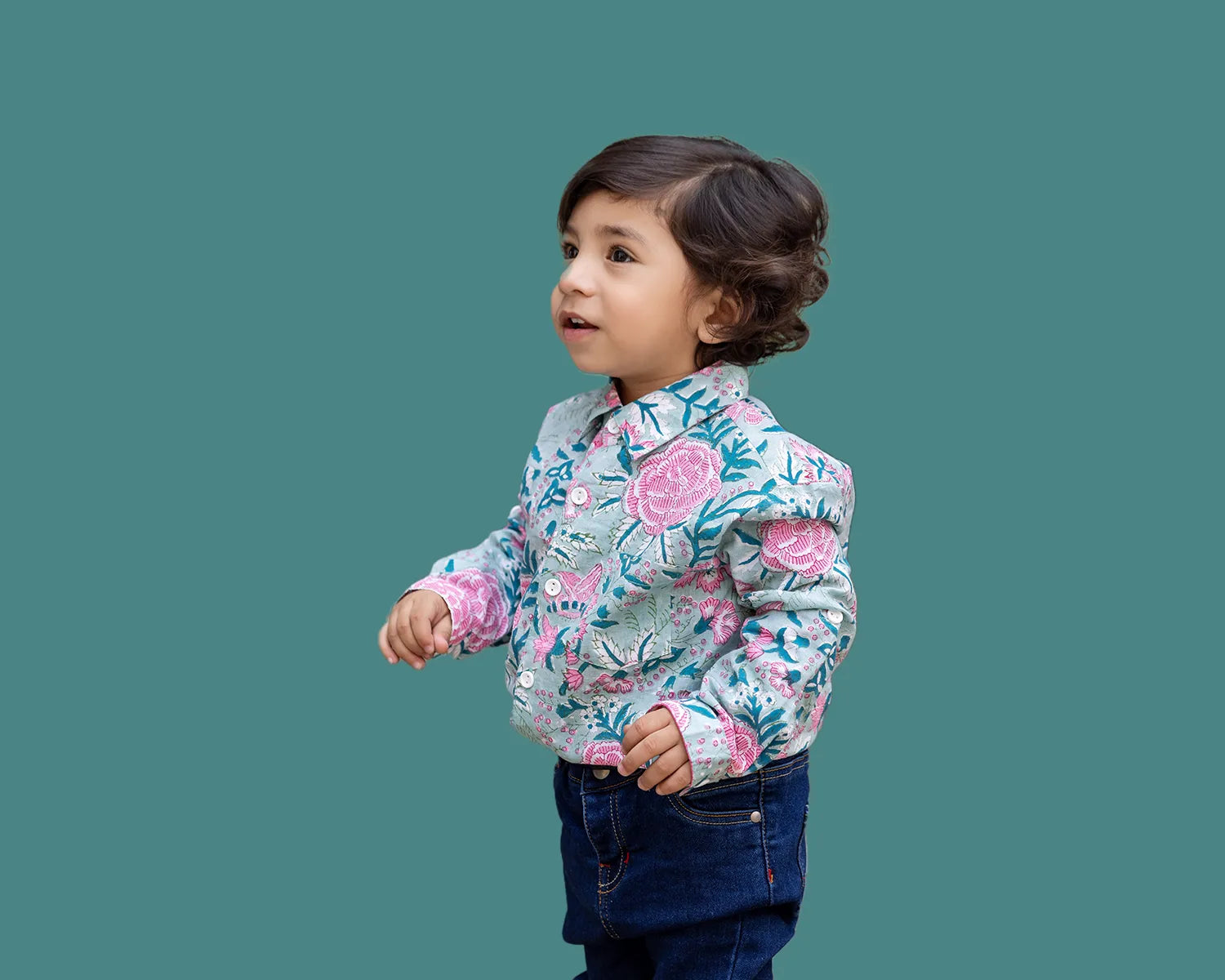
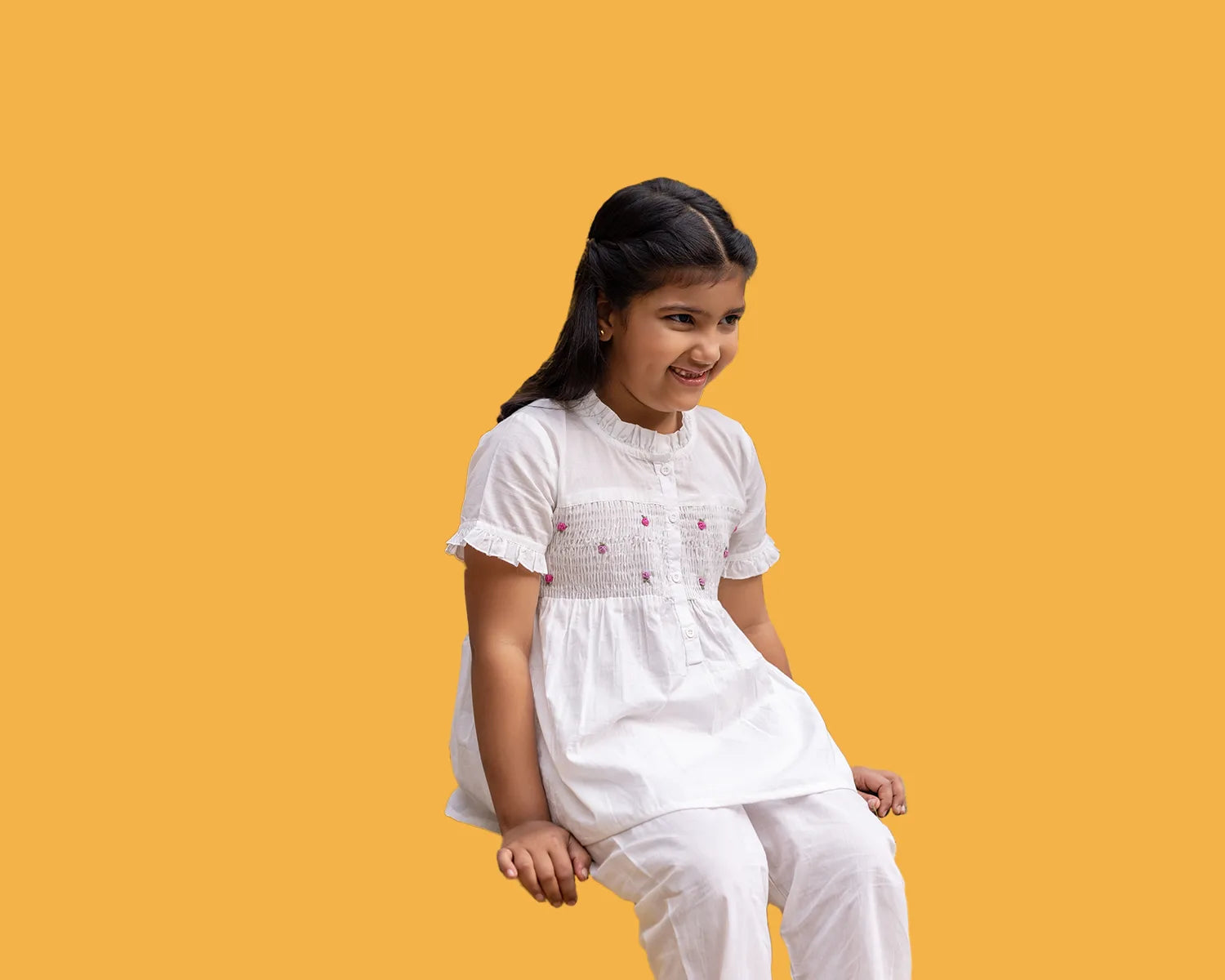
At The Little Trunk, our Mustard Marigold Smocked Peter Pan Collar Dress is a cotton option with floral print and smocking. The Marigold Floral and Stripe Colour Block Shirt for Boys combines a floral panel with mustard stripes. The shared colour makes them a possible brother and sister combination for a family gathering.
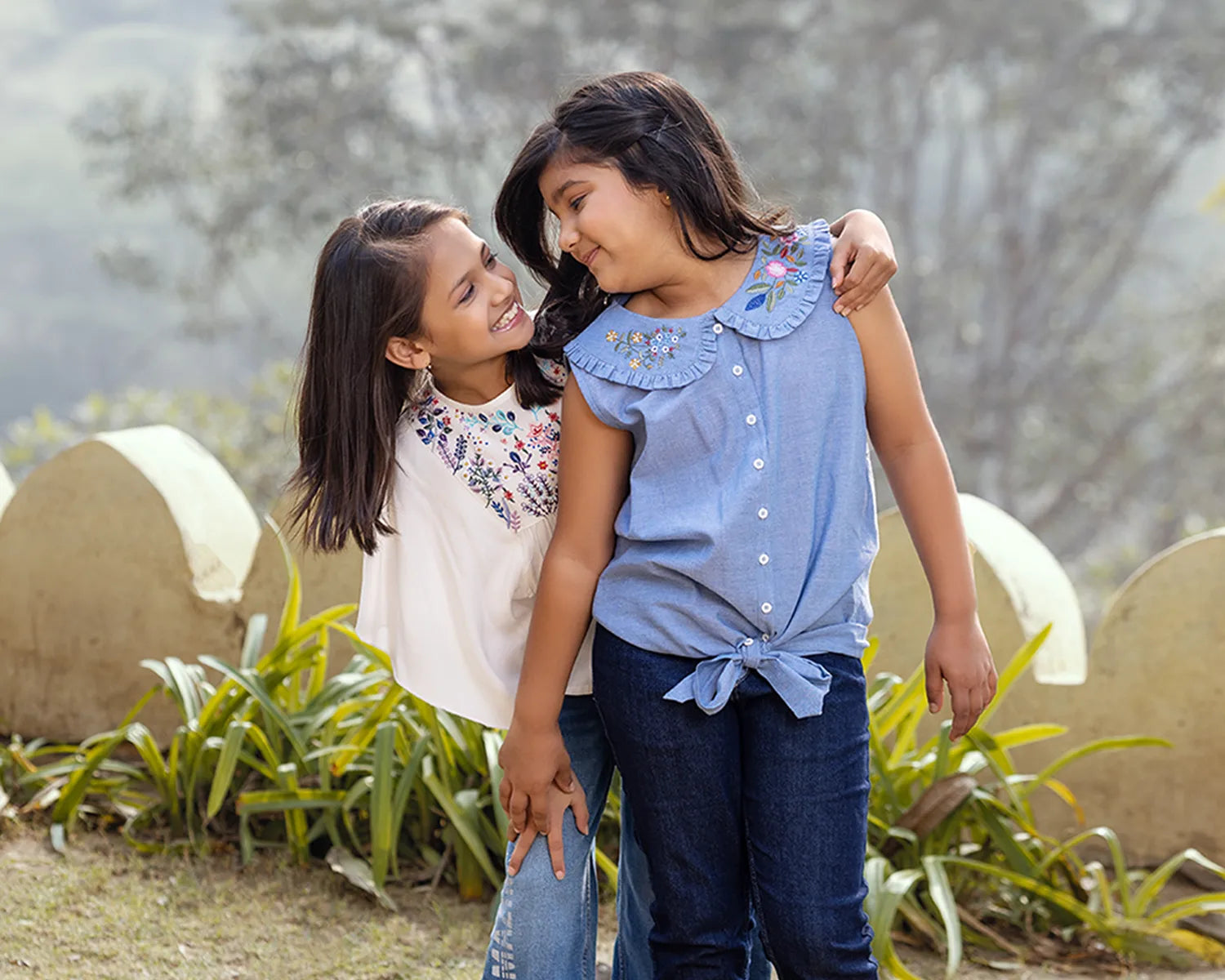
Check each product's measurements, current size availability and care details before ordering. You can also browse our dresses for girls and Bahaar collection. If your plans include Navratri, our Navratri outfit guide can help you choose pieces to wear for more than one occasion.
Frequently Asked Questions
What are easy Dussehra activities for preschoolers
Colouring a paper Ravana, matching large picture cards and making a greeting card are simple starting points. Prepare the shapes in advance, supervise the materials and let the child stop or change activities when they lose interest.
How do you explain Dussehra to a child
Explain that Dussehra is a festival when many families remember stories about good overcoming evil. Introduce Lord Rama and Ravana through a suitable children's book, then explain the customs your family follows. Mention that people in different regions celebrate in different ways.
What can children make for a Dussehra school project
A paper Ravana, a small storybook, folded paper puppets or a map of regional celebrations can work well. Check the teacher's instructions first. Choose a project the child can help make and explain in their own words.
How can we celebrate Dussehra at home without fireworks
Read a story, make paper crafts, perform a short puppet show or speak to a family member about their childhood celebrations. Children can display their work and give greeting cards to relatives. Choose activities that suit your family's customs.
Do children need traditional clothes for Dussehra
It depends on the event and the family's practice. A school may request a traditional outfit or character costume, while a home gathering may allow a dress, shirt or co-ord set. Check the instructions and choose clothing that fits comfortably.
When is Dussehra in India in 2026
Dussehra is on Tuesday, 20 October 2026. School programmes and local events may take place on other dates, so check their individual notices before planning clothing, travel or activities.
Leave room for your child to choose
One finished puppet or a carefully told story can give a child plenty to talk about. Start with an activity they want to try, help where needed and leave time for their questions. Keep their favourite piece of work with a note about the celebration. It can become something to look back at when Dussehra comes around again.

